Category: Free Experiences | By Nikki Piggott | May 2026 | 12 min read
You don’t need £3,000 and a gap year company to volunteer abroad. There are legitimate programmes all over the world where your skills — cooking, teaching, farming, building — cover your food and a bed. No fees. No catches.

I’ve used two of these myself. One put me on an organic farm in Portugal for three weeks. The other had me helping run a guesthouse kitchen in northern Thailand. In both cases, I worked four to five hours a day and spent the rest of my time doing exactly what I’d have paid to do anyway: exploring somewhere new, eating well, and meeting people I’d never have met in a hotel.
This is what “volunteer abroad free” actually looks like in practice — and the best programmes to find it.
============================================================ –>Free Guide · Instant Download
50 Genuinely Free
Travel Experiences
Named, located, and verified — no catches, no upsells. Get the full guide plus one smart, specific travel idea in your inbox every month.
No spam, ever. Unsubscribe in one click.
What “Free” Actually Means (And What It Doesn’t)
Let’s be precise. When a volunteer programme covers food and accommodation, it means:
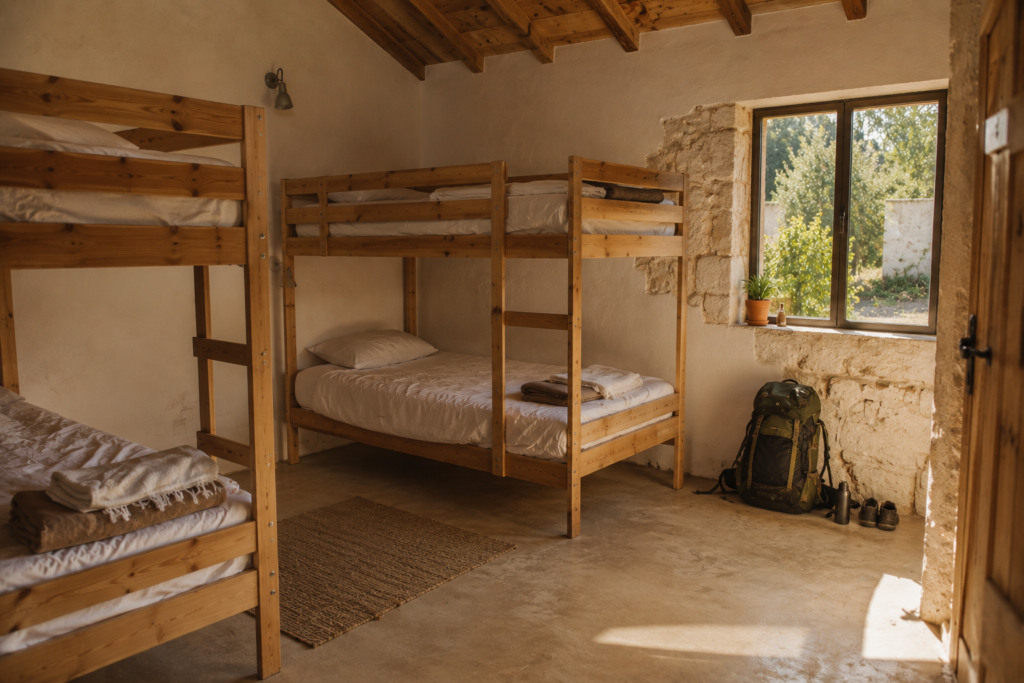
- Accommodation: A private or shared room at the host’s property — a farm, guesthouse, hostel, school, or community project
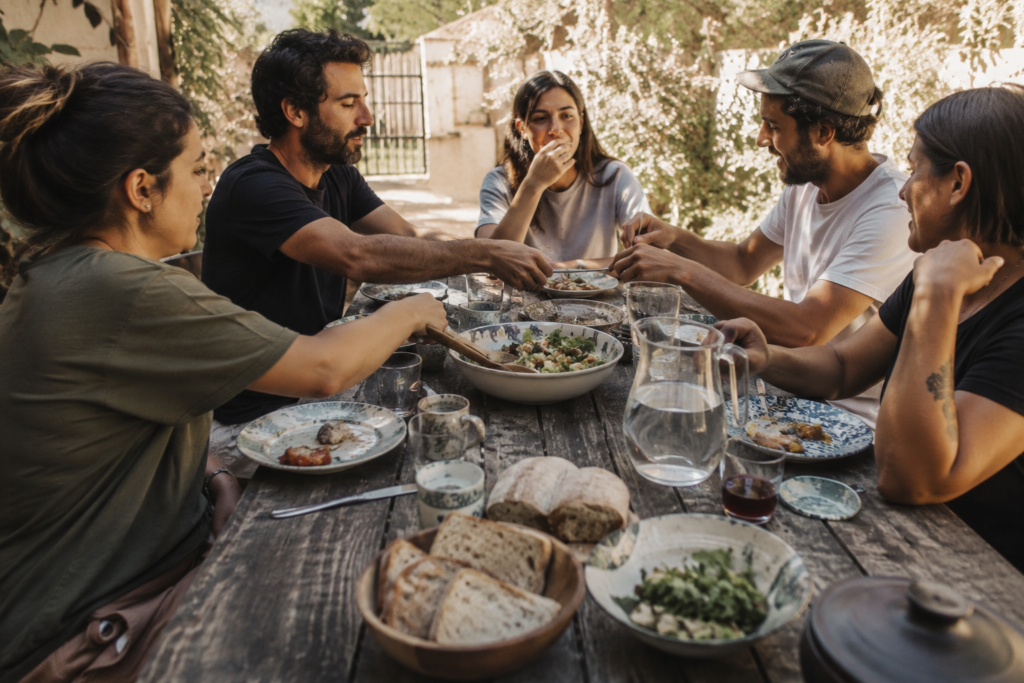
- Meals: Usually two or three meals a day, prepared communally or provided by the host
- Your contribution: Typically 4–6 hours of work per day, 5 days a week
What you still pay for: your flights, your travel insurance, and any activities or travel you do on your days off. These programmes are not charities funding your entire trip — they’re a work exchange. You give your time; they give you a base.
That distinction matters. Anyone charging £800–£2,000 to “place” you with a volunteer project is a middleman you don’t need.
The Best Platforms for Free Volunteer Placements
1. Workaway
workaway.info | Membership: ~€49/year for individuals
Workaway is the largest and most reliable work-exchange platform in the world. Over 50,000 hosts across 170+ countries offer accommodation and food in exchange for around 5 hours of help per day.
What you’ll find: organic farming, hostel help, language tutoring, childcare, building projects, animal sanctuaries, eco-lodges, creative studios, and more. The variety is genuinely remarkable — I’ve seen listings for everything from helping with a street food stall in Vietnam to maintaining a mountain refuge in the Swiss Alps.
How it works: You pay the annual membership once and apply directly to as many hosts as you like. Hosts list what they need, what they offer, and reviews from previous volunteers. You read the reviews, write a personalised message, and hosts accept or decline.
The honest bit: Quality varies. Read reviews carefully. Look for hosts with 10+ reviews and specific, detailed feedback. Avoid hosts with no reviews or vague listings like “help around the house.”
Best for: First-timers, solo travellers, anyone who wants maximum variety and a large pool of options.
2. Worldpackers
worldpackers.com | Membership: ~$49/year
Worldpackers is Workaway’s closest competitor, with a stronger focus on hostel and guesthouse placements. If you want to volunteer in the tourism industry — working reception at a surf hostel, helping with social media for a boutique guesthouse, leading free walking tours — Worldpackers is where you’ll find it.
The platform vets hosts more thoroughly than Workaway, which means fewer listings but fewer horror stories. It also has a “skills programme” — if you have a specific skill (graphic design, photography, yoga teaching), you can filter for hosts who specifically need that skill in exchange for accommodation.
Best for: Social travellers who want to be around other travellers, people with specific skills to offer, hostel fans.
3. WWOOF (World Wide Opportunities on Organic Farms)
wwoof.net | Membership varies by country, typically €20–€30
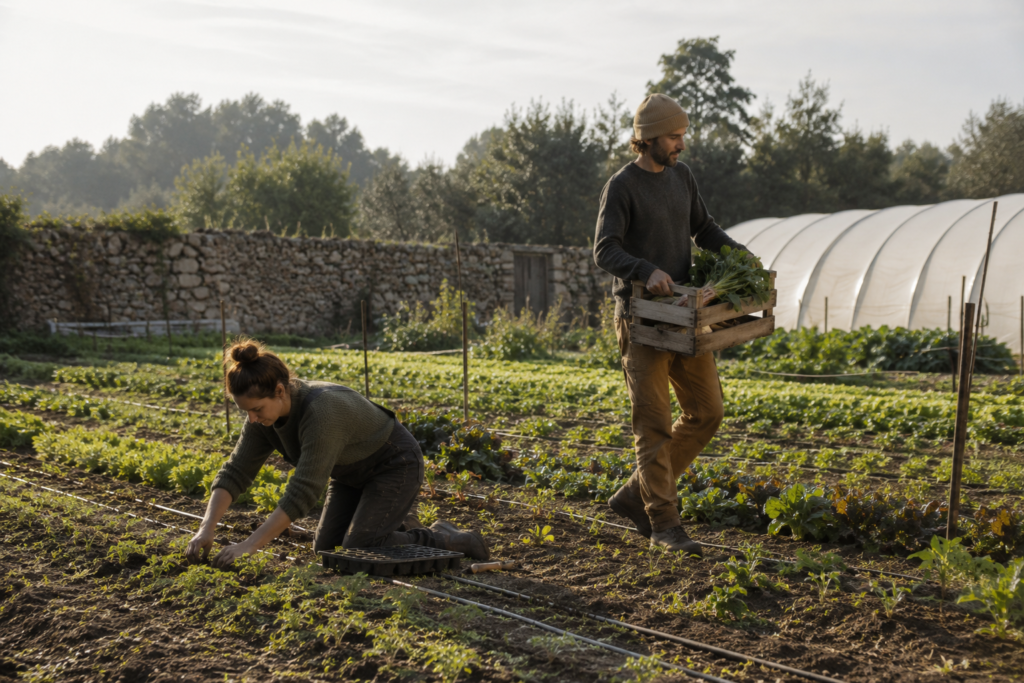
WWOOF is the original. It’s been connecting volunteers with organic farms since 1971, and it remains the best option if you want to spend time on the land — growing food, tending animals, learning permaculture.
Unlike Workaway, WWOOF is country-specific. You pay a membership fee for each country where you want to volunteer, which gives you access to the full list of farms in that country and their contact details. You then reach out directly and arrange your stay.
How it works: The standard exchange is 4–6 hours of farm work per day in return for accommodation and three meals. The food on WWOOF farms is often extraordinary — you’re eating what they grow.
Best destinations for WWOOFing: New Zealand (where the programme started), Japan (highly organised, excellent hosts), Italy (farm stays in genuinely beautiful places), France (vineyards, market gardens, goat farms), and Portugal (where a booming organic farming scene has made it a WWOOF hotspot).
Best for: Anyone who actually wants to learn about food production, permaculture, or sustainable farming. Not the right fit if you’re hoping for a beach base — most WWOOF hosts are in rural areas.
4. HelpX
helpx.net | Membership: €20 for two years
HelpX is smaller and older-feeling than Workaway, but it has a loyal following and some genuinely unusual listings — especially in Europe and Australasia. You’ll find farm stays, sailing boats (yes, sailing boats — the host sails, you help crew), small guesthouses, and community projects.
Best for: Budget-conscious travellers who want a cheaper platform fee, anyone looking for unusual placements like sailing or remote homesteads.
5. Trusted Housesitters (a different model)
trustedhousesitters.com | Membership: from £99/year
This isn’t quite a volunteer exchange — it’s house and pet sitting. You look after someone’s home and animals while they travel; they give you the run of their property for free. No farming, no hostel shifts.
The membership is higher than Workaway, but you’re often staying in genuinely lovely homes rather than shared hostel rooms. Popular with solo travellers, couples, and anyone who wants a quieter, more domestic base in a new city or country.
Best for: Travellers who prefer a settled base, animal lovers, people wanting a more home-like experience over a social hostel vibe.
What to Expect: A Typical Week
To give you a realistic picture, here’s what a standard Workaway stay might look like — based on a farm placement I know well in southern Portugal:
Monday–Friday: Wake around 7am, work 8am–1pm (weeding, harvesting, building a new polytunnel, feeding goats — whatever the host needs that week). Communal lunch prepared by whoever’s volunteering that day. Afternoons free. Dinner together at 7pm.
Saturday: Half-day work, afternoon completely free.
Sunday: Day off. Most volunteers use this to visit nearby villages, go to the beach (the Algarve coast is 40 minutes away), or take day trips to Évora or Lagos.
Four or five hours of genuine physical work per day. Free accommodation in a converted barn room with two other volunteers. Three meals a day from produce grown on the farm. Total cost for three weeks: flights plus personal spending. No accommodation fees, no food budget.
That’s the reality. It’s not a holiday — you’re working. But it’s a genuinely good way to spend time somewhere.
The Realities: What Can Go Wrong (and How to Avoid It)
The host isn’t what the listing suggested
This happens. A listing promises “help in the vegetable garden” and you arrive to find you’re doing eight hours of heavy labouring. The best protection is reading reviews from multiple previous volunteers and being specific in your messages before you commit. Ask: “Can you tell me exactly what a typical working day looks like?”
The accommodation is rougher than expected
Manage expectations before you arrive. “Accommodation provided” can mean a comfortable private room or a mattress in a barn. Again: ask directly, look at reviews, and ask if there are photos.
Minimum stays
Most Workaway and WWOOF hosts ask for a minimum of one to two weeks. This is fair — they’re investing time in training you. Don’t sign up for a week if you’re only planning to stay three days.
It’s not for everyone
If you find work genuinely tedious, communal living stressful, or early mornings difficult, a work exchange may not suit you. Some people try it once and love it; others prefer to just book a cheap hostel. Both are fine.
The Best Destinations for Free Volunteering
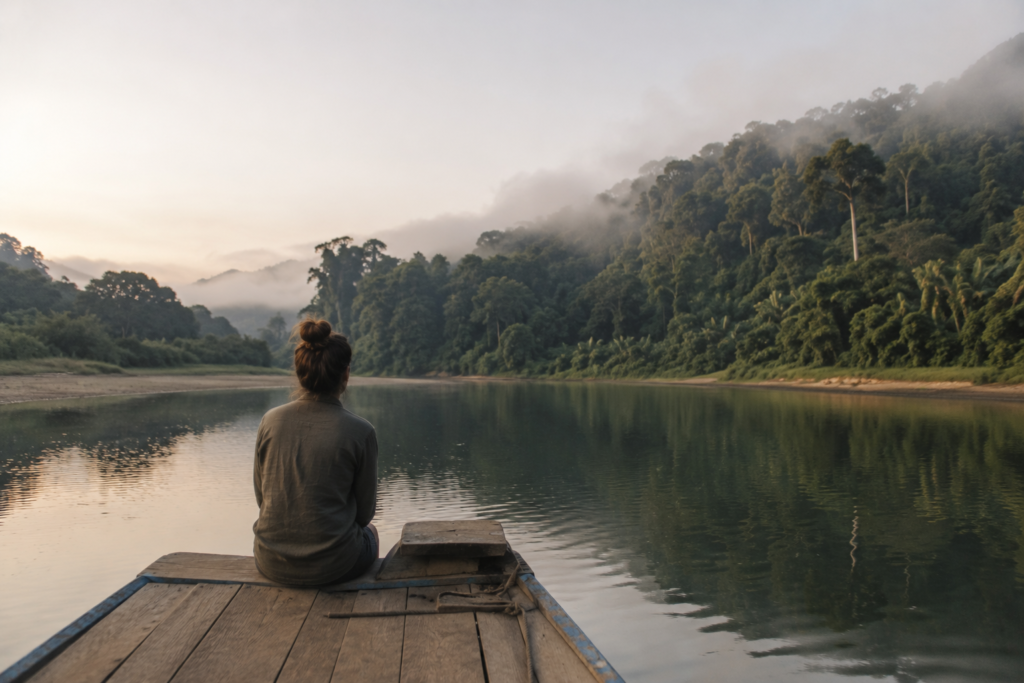
Thailand
Meditation retreats and NGO projects — including English teaching placements — are plentiful, particularly in Chiang Mai and the north. Several Workaway hosts run guesthouses, yoga centres, and community kitchens. Combine a volunteer placement here with the free meditation retreats covered elsewhere on this site and you could spend a month in Thailand for the cost of your flights.
Portugal
The fastest-growing WWOOF destination in Europe. Organic farming is booming, the climate is ideal, and the cost of any personal spending is low. Particularly good for anyone interested in permaculture or regenerative agriculture.
New Zealand
The original WWOOF country. Farming exchanges are deeply embedded in the backpacker culture here, and the standard of hosts is consistently high. Farm work can also qualify for visa extensions — worth checking the latest visa rules if you’re on a working holiday visa.
Japan
WWOOF Japan has an excellent reputation. Hosts tend to be well-organised and communicative, the food is remarkable (eating what you grow on a Japanese organic farm is a genuine privilege), and rural Japan is genuinely worth experiencing. The language barrier is real — most hosts expect basic communication in English but don’t expect you to speak Japanese.
Central America (Guatemala, Costa Rica, Nicaragua)
Strong Workaway and HelpX presence here, particularly eco-lodges, permaculture projects, and Spanish language schools that trade free accommodation for teaching assistance. Guatemala is particularly good value — a volunteer base in Antigua or Lake Atitlán area is one of the most affordable ways to spend time in the region.
Practical Tips Before You Go
Apply to three or four hosts simultaneously. You’re not committing by applying — you’re starting a conversation. Cast a wide net and choose the best fit once you’ve heard back.
Write a personalised message every time. Hosts can tell instantly when they’ve received a copy-paste application. Mention something specific from their listing, explain why you’re interested in their particular project, and give them a genuine sense of who you are.
Get travel insurance before you go. Work exchanges are not covered by most basic travel insurance policies. Look for a policy that includes volunteer work — World Nomads and SafetyWing both cover this explicitly.
Check visa requirements. A volunteer exchange is not the same as paid employment, but some countries are strict about what activities are permitted on a tourist visa. Do your research for each specific destination.
Start with somewhere you’re genuinely interested in. Your first exchange goes better if you actually want to be there. Don’t pick a farm in the Czech Republic because it was the first listing you found — find somewhere that genuinely appeals.
The Bottom Line
The combination of Workaway, WWOOF, and Worldpackers covers most of the world between them. For the cost of an annual membership (€49 for Workaway, less for the others), you get access to thousands of hosts willing to cover your food and accommodation in exchange for a few hours of honest work each day.
It’s not a workaround or a hack — it’s a genuine way to travel slowly, spend less, and experience places at a depth that a standard tourist trip rarely delivers. A month farming in Portugal, volunteering at a hostel in Thailand, or crewing a sailing boat through the Greek islands costs the same as a week in a mid-range hotel.
The platforms are the easy part. The hard part is writing a good application, doing your research, and being the kind of volunteer a host would actually want to host. Do that, and you’ll have no shortage of free places to sleep.
Read next: Free Meditation Retreats in Thailand: The Complete Guide | Workaway and Worldpackers: How to Choose the Right Platform | Budget Packing List: What to Bring on a Volunteer Trip