Two platforms, thousands of hosts, and the closest thing to genuinely free travel that actually exists. Here’s exactly how both work — and which one is right for you.
By Nikki Piggott · May 2026 · Free Experiences Cluster
Let’s be direct: working for accommodation is one of the best deals in budget travel. You exchange a few hours of your time each day — helping on a farm, teaching English, assisting at a hostel — and in return you get a bed, usually meals, and often a genuinely interesting experience that you couldn’t have bought with a hotel booking.
Workaway and Worldpackers are the two dominant platforms that make this arrangement happen. Between them, they list tens of thousands of hosts in more than 150 countries. I’ve used both. They’re similar in concept but meaningfully different in practice, and choosing the wrong one for your situation can mean a disappointing experience.
============================================================ –>Free Guide · Instant Download
50 Genuinely Free
Travel Experiences
Named, located, and verified — no catches, no upsells. Get the full guide plus one smart, specific travel idea in your inbox every month.
No spam, ever. Unsubscribe in one click.
This guide covers everything: how each platform works, what the fees actually look like, the kinds of work you’ll be doing, how to find good hosts (and avoid bad ones), and the practical questions nobody answers clearly anywhere else.
How Working for Accommodation Actually Works
The core exchange is simple: a host offers food and accommodation; a volunteer offers a set number of hours of work each day, typically four to five. Everything is arranged in advance through the platform’s messaging system.
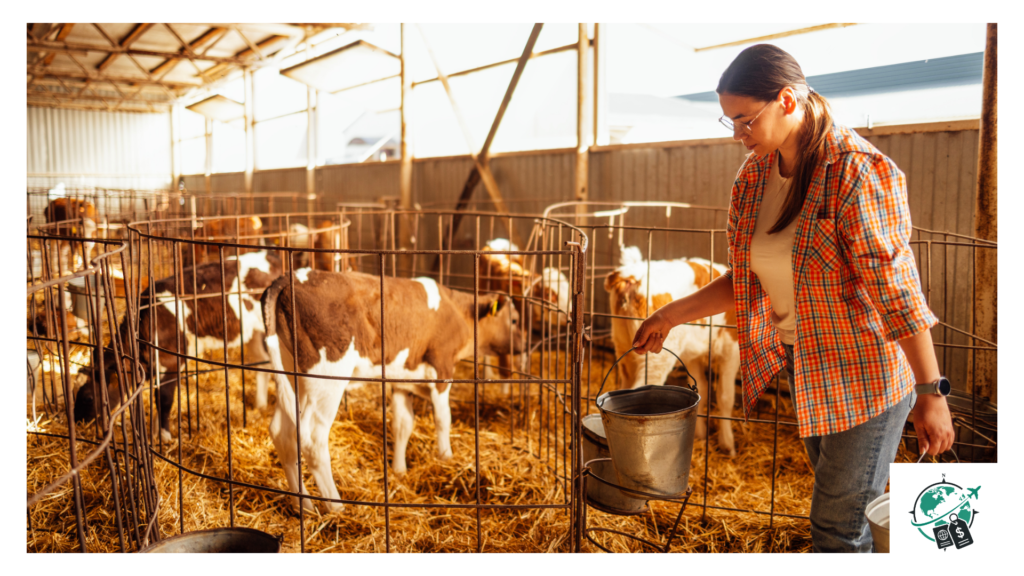
The variety of host situations is enormous. You might be helping on an organic farm in Portugal, looking after a guesthouse in Thailand, teaching conversational English at a language school in Costa Rica, or building trails at an eco-lodge in New Zealand. Some arrangements involve staying in a private room in a family home; others mean a bunk in a volunteer dorm alongside five other travellers.
What this is not: a paid job. You are a volunteer guest. The accommodation and food are provided in exchange for your time, not as compensation for labour. This distinction matters legally in some countries, and it matters practically because the relationship between you and your host should feel collaborative rather than transactional.
| THE REAL COST SAVING If you’re travelling somewhere with accommodation costs of £30–50 per night, a month-longwork exchange effectively saves you £900–1,500. The platform membership fee of £35–50 paysfor itself in the first two or three days of a placement. |
Workaway: The Bigger Platform
Workaway has been running since 2002 and is by far the larger of the two platforms. At any given time it lists more than 50,000 active hosts across virtually every country on the planet. If you’ve only heard of one work-exchange platform, it’s probably this one.

What Workaway Costs
Workaway charges a single annual membership fee of approximately £35–40 for a solo traveller. A duo/couple membership is slightly more and covers two people — useful if you’re travelling with a partner and want to apply to hosts together.
Once you’ve paid, you can contact as many hosts as you like, for as many placements as you want, for a full year. There are no per-booking fees, no commission charges, and no upsells.
The Host Database
Workaway’s real strength is sheer volume. The most popular categories on the platform include:
- Farm and garden work — the most common listing type, ranging from smallholdings to large organic farms
- Hostel and guesthouse help — reception work, cleaning, social media, guest coordination
- Teaching and tutoring — conversational English, other languages, music, art, coding
- Construction and renovation — building, painting, general maintenance (often eco-projects)
- Childcare and au pair — living with families as a helper rather than a formal paid nanny
- Animal care — horse sanctuaries, dog rescue centres, wildlife rehabilitation
- Community projects — social enterprises, NGOs, development projects
The Review System
Workaway’s review system runs in both directions: hosts review volunteers, and volunteers review hosts. This is the most important feature on the platform — before contacting any host, read every review carefully. A host with 40+ reviews over several years and consistently positive feedback is a fundamentally different proposition from a new listing with no reviews at all.
Red flags in reviews: vague complaints about ‘miscommunication,’ mentions of working more hours than agreed, or a pattern of brief stays rather than volunteers completing full placements.
| ⚠ BEFORE YOU CONTACT ANY HOST Read the reviews in reverse chronological order. A host might have excellent reviews from threeyears ago but several concerning ones in the last six months. Look at the pattern, not just theoverall rating. |
Worldpackers: The More Structured Option
Worldpackers launched in 2014 and has grown to list around 5,000–10,000 hosts. The platform positions itself explicitly around skills-based exchanges and tends to attract a younger, more backpacker-oriented crowd of both hosts and volunteers.
What Worldpackers Costs
Worldpackers has a tiered membership model. The Standard plan costs around £35–45 per year and gives you access to the full host database and messaging. The Exclusive plan (around £60–70) adds priority support, the ability to book placements further in advance, and a guarantee scheme that steps in if a placement falls through at short notice.
The guarantee is worth paying attention to if you’re planning to arrive somewhere with no backup accommodation — if a host cancels last-minute, Worldpackers will help you find an alternative or provide a refund toward emergency accommodation.
Workaway vs Worldpackers: The Key Differences
| Workaway | Worldpackers |
| £35–40 / year (solo) | £35–70 / year |
| 50,000+ hosts worldwide | 5,000–10,000 hosts |
| Every country represented | Strongest in Latin America & Europe |
| Strongest for farms, families, rural stays | Strong for hostels, urban, skills-based |
| Older, more established platform | More structured listings |
| Single membership tier | Two membership tiers |
| No placement guarantee | Placement guarantee on top tier |
In practice, many regular work-exchange travellers sign up for both. The combined cost — roughly £70–90 per year — is still less than two nights in a budget hotel, and having access to both databases significantly increases your options in any given destination.
What You’ll Actually Be Doing
The listings can sound vague — ‘help around the property’ covers a lot of ground. In reality, the work tends to fall into recognisable categories, and knowing what to expect makes the experience far better.

| Type | Category | What to Expect |
| Farm & Garden | Most Common | Planting, harvesting, weeding, animal feeding. Physical but satisfying. Best in spring and autumn. Often comes with excellent food. |
| Hostel Help | Most Social | Reception, cleaning, guest check-ins, social media. You’ll meet dozens of other travellers. Usually in a city with lots to do on your time off. |
| English Teaching | High Demand | Conversation classes with students or adults. No formal qualification usually needed. Incredibly common across Asia and Latin America. |
| Eco & Construction | Most Varied | Building cabins, painting murals, digging drainage. Often on interesting projects in remote locations. Can be genuinely hard work. |
| Animal Sanctuaries | Niche but Rewarding | Rescue centres for horses, dogs, exotic animals. Highly sought-after placements — apply early and expect competition. |
| Photography / Design | Skills-Based | Hostels and eco-lodges needing content creation, social media, graphic design. Less physical, useful if you have these skills. |
How to Find a Good Host
This is where most first-timers go wrong. The instinct is to browse by destination and message the first few listings that look interesting. A better approach is to treat host selection like a job application — you’re not just looking for any placement, you’re looking for the right one.
The Profile Quality Test
A well-maintained host profile is a signal in itself. Look for:
- A detailed description of the work — specific tasks, daily schedule, clear hours
- Honest information about the accommodation — private room vs shared, basic vs comfortable
- Multiple recent photos of the actual property (not stock images)
- Information about what’s nearby and how to get there
- A host bio that sounds like a real person wrote it
Vague profiles — ‘help around the house, flexible hours, great experience!’ — are a warning sign. Hosts who are specific about what they want are also usually specific about what they offer.
The Application Message
Most hosts on both platforms receive dozens of template applications. A personalised message that references something specific about their listing will stand out immediately.
| “I’ve read your profile carefully and I’m specifically interested in the permaculture garden project you mentioned — I spent six months volunteering on an organic farm in Spain last year and have experience with no-dig bed preparation and composting systems.”— Example of a strong application message |
This is infinitely more effective than ‘Hi! I love to travel and I’m very motivated and a hard worker.’ Every host has read that message a hundred times.
Your First Placement: What to Expect

Clarify Everything Before You Arrive
Before you commit to a placement, confirm in writing: the exact start date, how many hours per day and which days are free, what meals are included, what the accommodation is like, and how far you are from public transport or the nearest town.
The Settling-In Period
The first few days of any placement are always slightly awkward. You’re in someone else’s home or workplace, learning routines you don’t know yet, and adjusting to people you’ve never met. This is normal. Most experienced work-exchange travellers say they’ve wanted to leave in the first 48 hours of nearly every placement — and then settled in and had an excellent time.
If It’s Not Working
You are not obligated to stay. If a host is asking for significantly more hours than agreed, if the accommodation is genuinely not as described, or if the situation feels uncomfortable, you can leave. Communicate as professionally as possible — give reasonable notice — and report the issue through the platform so future volunteers are protected.
| THE MINIMUM STAY QUESTION Most hosts ask for a minimum stay of one to four weeks. There’s a genuine training cost tobringing in a new volunteer, and a week barely covers the time it takes to become useful.Plan for at least two weeks per placement to get real value from the experience. |
How to Get Started: Step by Step
- Create your profile properly
A strong volunteer profile with a clear photo, a genuine bio, and specific skills listed gets far more responses than an empty one. Write it like you’d write a LinkedIn profile — but for someone who wants to know if you’re reliable and interesting to have around.
- Search with filters, not just keywords
Filter by work type, accommodation type, language, and duration. Both platforms let you save searches and get email alerts — use this feature if you have a specific destination in mind months in advance.
- Apply to 5–10 hosts for every one you actually want
Response rates vary. Some hosts respond within hours; others take days or never reply at all. Don’t pin your travel plans on a single application — cast a wider net and let the conversations narrow down your options.
- Have a video call before committing
A ten-minute video call tells you more than fifty messages. You’ll know within five minutes whether the communication dynamic feels right. This is especially important for family home placements where you’ll be living closely with people.
- Confirm everything in writing
Before you book your travel, send a message confirming the key details — dates, hours, accommodation, meals — and ask the host to confirm. This creates a clear record and often surfaces any misunderstandings before they become problems.
The Ultimate Guide to Free Travel Experiences: Save Money Without Sacrificing Adventure
The Money Reality
Work exchanges are not zero-cost travel. You still need money for transport to and from placements, for your days off (most placements give you two free days per week), for personal items, and for anything the host doesn’t cover.
A realistic budget for someone doing back-to-back work exchanges with occasional independent travel in between might look like £400–600 per month. That’s food and accommodation largely covered, but transport, activities, and incidentals still add up. This is still dramatically lower than conventional budget travel — but it’s worth being realistic about before you go.
On the income side: Workaway and Worldpackers listings are volunteer exchanges, not paid positions. Any host offering cash payment is doing something outside the platform’s terms — and potentially creating a legal employment situation that’s complicated for both of you.
The Verdict: Which Platform?
If you’re travelling widely across multiple continents and want maximum host options: start with Workaway. The depth of the database is unmatched, particularly for rural, farm, and family placements.
If you’re focused on Latin America, Europe, or Southeast Asia and are specifically interested in hostel work or skills-based exchanges: Worldpackers is worth your attention, particularly the listings in cities.
If you’re planning a longer trip of six months or more and want maximum flexibility: sign up for both. The combined cost is around £70–90 — less than a week of budget accommodation anywhere in Western Europe.
| RELATED ON THE SMART EXPLORER If this approach to budget travel appeals to you, the Free Meditation Retreats in Thailand guide operates on a similar principle — real experiences at no cost, in exchange for time and genuine engagement rather than money. |