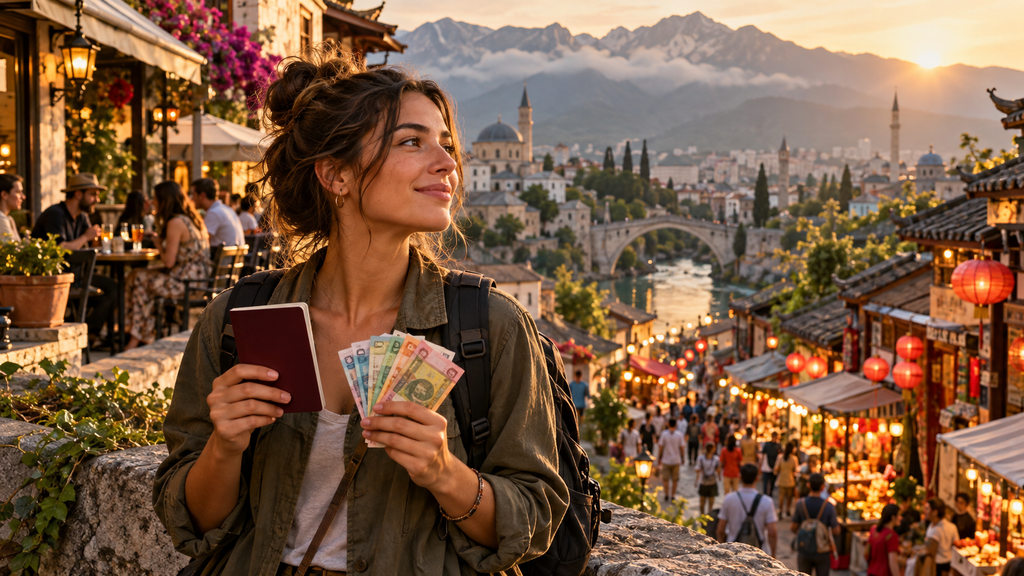
Traveling to a new country is an exciting adventure filled with new experiences, cultures, and, of course, currency. Whether you’re wandering through the bustling streets of Tokyo, savoring a cappuccino in a Roman café, or trekking through the Andes, one thing remains constant: you need local currency to fully enjoy your travels. Navigating currency exchange can seem daunting, but with a bit of knowledge and preparation, you can ensure you get the best rates and make the most of your travel budget.
Understand the Basics of Currency Exchange
Before diving into the specifics, it’s crucial to understand the basics of currency exchange. Currency exchange rates determine how much one country’s currency is worth in another currency. These rates fluctuate constantly due to market conditions, geopolitical events, and economic factors. Knowing this helps you grasp why exchange rates vary from one provider to another and why timing can be crucial.
Plan Ahead
One of the best ways to ensure you get a good exchange rate is to plan ahead. Here’s how:
- Monitor Exchange Rates: Use online tools and apps to monitor exchange rates before your trip. Websites like XE.com or apps like Revolut offer real-time exchange rates and can alert you when rates are favorable.
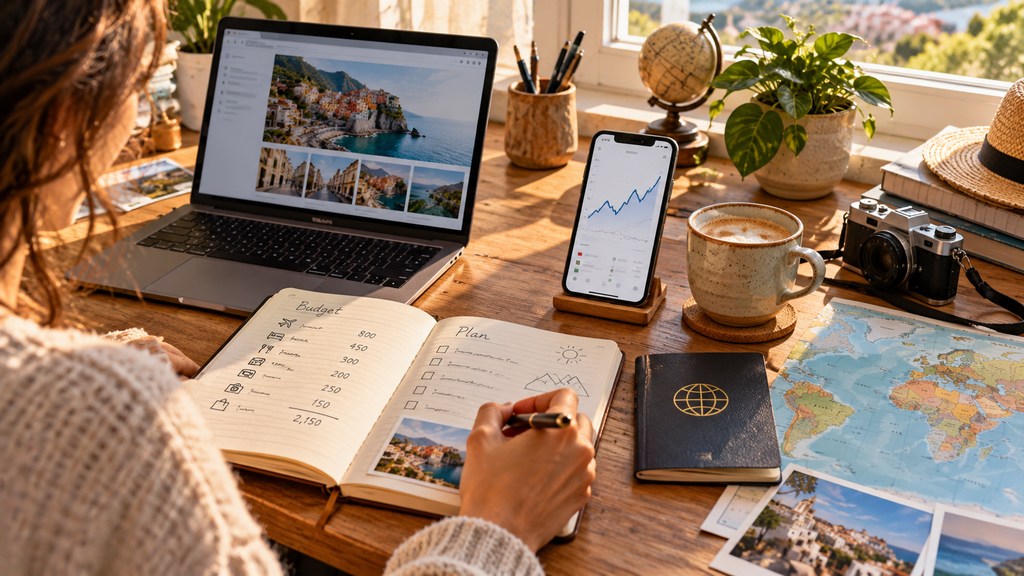
- Budget and Convert: Estimate how much money you’ll need during your trip. Convert your budget into the local currency using the current exchange rate to get an idea of how much to exchange.
- Avoid Last-Minute Exchanges: Airports and hotels often offer less favorable rates due to convenience fees. If you must exchange money at the airport, only exchange a small amount to cover immediate expenses.
Choosing the Right Exchange Method
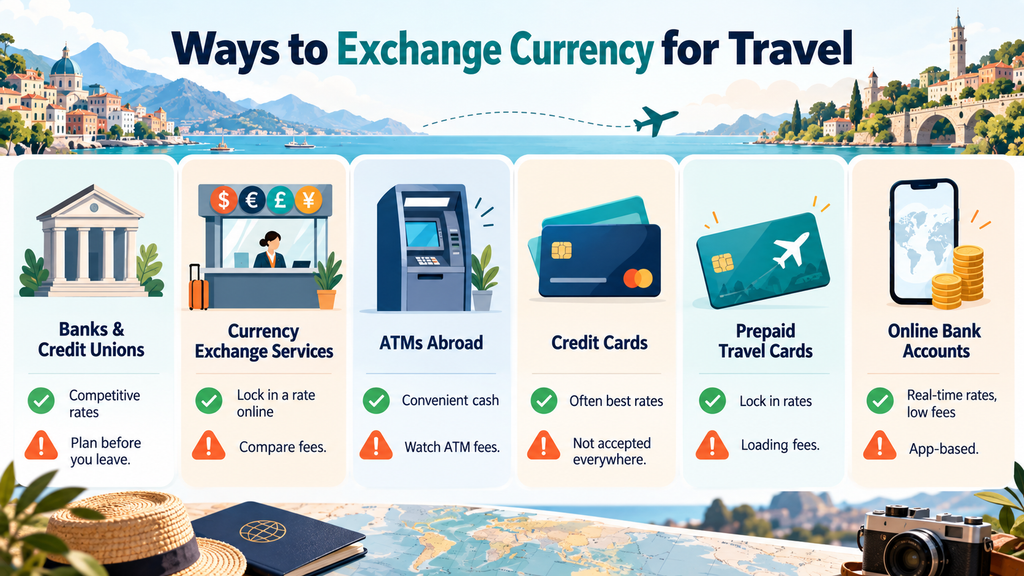
There are several ways to exchange currency, each with its pros and cons. Here’s a breakdown to help you choose the best option for your needs:
============================================================ –>Free Guide · Instant Download
50 Genuinely Free
Travel Experiences
Named, located, and verified — no catches, no upsells. Get the full guide plus one smart, specific travel idea in your inbox every month.
No spam, ever. Unsubscribe in one click.
1. Banks and Credit Unions
Banks and credit unions often offer competitive exchange rates with lower fees compared to airport kiosks and hotels. If possible, exchange money at your home bank before you leave. Some banks even have partnerships with foreign banks, allowing you to withdraw money at ATMs abroad without hefty fees.
2. Currency Exchange Services
Specialized currency exchange services, such as Travelex, offer competitive rates and the convenience of ordering online. You can often lock in a rate and have the currency delivered to your home or pick it up at a designated location.
3. ATMs Abroad
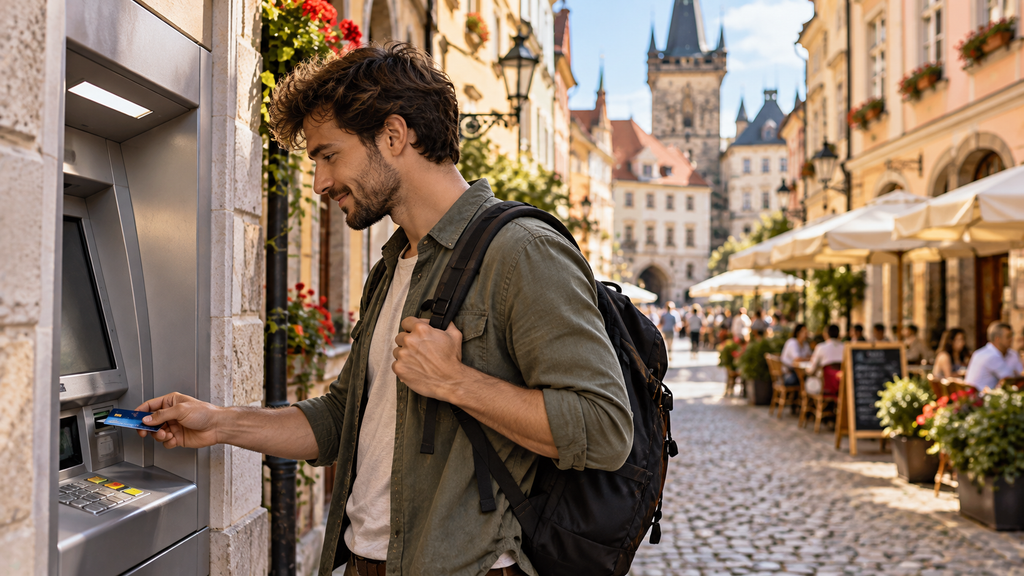
Withdrawing money from ATMs abroad can be convenient and sometimes cost-effective. However, be aware of foreign transaction fees and ATM fees. Using a bank with global partnerships can mitigate these costs. Ensure your card has a chip and PIN feature for added security.
4. Credit Cards
Credit cards often offer the best exchange rates, especially those with no foreign transaction fees. However, they might not be accepted everywhere, particularly in rural or less developed areas. Notify your bank of your travel plans to avoid any issues with card usage abroad.
5. Prepaid Travel Cards
Prepaid travel cards allow you to load money in different currencies before you travel. These cards can be a good option if you want to lock in an exchange rate and avoid carrying large amounts of cash. However, check for loading and withdrawal fees.
6. Online Bank Accounts
Online banks have revolutionized the way travelers handle currency conversion. Banks like Revolut, N26, and Wise (formerly TransferWise) offer multi-currency accounts that automatically convert currency at the point of sale using interbank rates. Here’s why they are a great option:
- Real-Time Exchange Rates: These banks often use real-time interbank rates for currency conversion, which are typically better than those offered by traditional banks and currency exchange services.
- Low or No Fees: Many online banks offer low or no foreign transaction fees, making them a cost-effective choice for frequent travelers.
- Multi-Currency Wallets: These accounts allow you to hold and manage multiple currencies simultaneously, making it easier to plan and budget for trips to multiple countries.
- Ease of Use: Managing your money through a mobile app provides convenience and control, with features like instant notifications, easy transfers, and budgeting tools.
Tips for Getting the Best Rates
- Compare Rates: Always compare rates from different providers before exchanging money. Small differences can add up, especially for larger amounts.
- Avoid Dynamic Currency Conversion: Some merchants offer to charge your card in your home currency instead of the local currency. While this might seem convenient, it often comes with poor exchange rates and additional fees. Always opt to be charged in the local currency.
- Use Local ATMs: When withdrawing cash, use ATMs affiliated with major banks to get better rates and avoid high fees.
- Limit Exchange Frequency: Exchange larger amounts less frequently to minimize fees associated with multiple transactions.
- Stay Informed: Keep an eye on market trends and economic news that might impact exchange rates. This information can help you decide the best time to exchange money.
Exchanging Currency
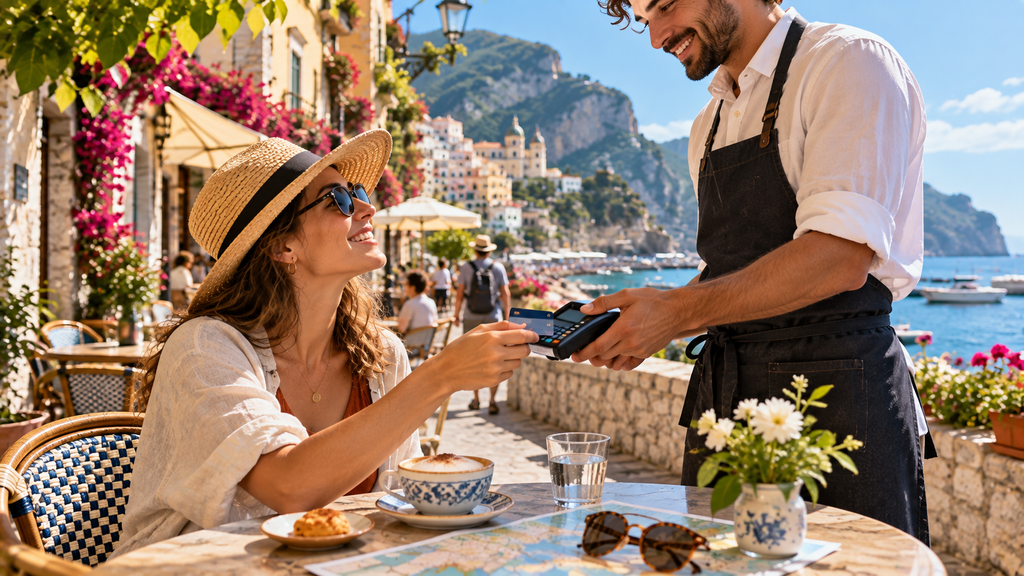
Navigating currency exchange doesn’t have to be a stressful part of your travel experience. By planning ahead, choosing the right exchange method, and staying informed, you can ensure you get the best rates and stretch your travel budget further. Whether you’re embarking on a weekend getaway or a long-term adventure, a little preparation can go a long way in making your travels smoother and more enjoyable.
You might also like:
- Cheap Travel DevicesThat Make A Big Difference
- Low-Cost Airlines: Making Air Travel Accessible For Everyone