Traveling can be an exciting and enriching experience, but it’s important to stay safe from scams that could ruin your trip. Whether you’re a seasoned globetrotter or a first-time adventurer, following these tips can help ensure a safer, more enjoyable journey.
Do Your Homework
Before embarking on your adventure, take some time to research common scams at your destination. Knowledge is power, and being aware of potential pitfalls can help you spot and avoid them more easily. Look up travel forums, read recent traveler reviews, and check official tourism websites for information on local scams. For example, in some cities, you might learn about fake taxi scams or people posing as hotel staff. Armed with this knowledge, you’ll be better prepared to navigate your destination safely.
If It Seems Too Good to Be True…
Be wary of deals that seem exceptionally generous. Unusually low-priced offers are often a red flag for scams. Remember, if something seems too good to be true, it probably is. This applies to everything from accommodation deals to guided tours and souvenirs. While it’s great to find a bargain, extreme discounts might indicate a scam or hidden costs. Always compare prices with reputable sources and trust your instincts if a deal seems suspiciously cheap.
Book Through Reputable Sources
When making reservations, stick to official websites and reputable companies. Avoid booking through third parties or street vendors, as these can sometimes be fronts for scams. Use well-known booking platforms or contact hotels and tour operators directly. If you’re unsure about a website’s legitimacy, look for https in the URL, check for customer reviews on independent sites, and verify the company’s physical address and contact information. This extra step can save you from potential disappointment or financial loss.
============================================================ –>Free Guide · Instant Download
50 Genuinely Free
Travel Experiences
Named, located, and verified — no catches, no upsells. Get the full guide plus one smart, specific travel idea in your inbox every month.
No spam, ever. Unsubscribe in one click.
Use Secure Payment Methods

Opt for payment methods that offer strong fraud protection, such as credit cards. These provide better security than cash or wire transfers, giving you an added layer of protection against potential scams. Many credit card companies offer dispute resolution and fraud protection services, which can be invaluable if you encounter issues. When possible, avoid carrying large amounts of cash and be cautious about using debit cards, which may not offer the same level of protection as credit cards.
Beware of Pressure Tactics
Scammers often try to rush you into making decisions. Be cautious of anyone using pressure tactics or urgent requests for immediate action. Take your time to think things through. Legitimate businesses will usually give you time to consider your options. If someone is pushing you to make a quick decision, especially regarding payments or personal information, it’s often a sign that something isn’t right. Don’t be afraid to walk away from a situation that makes you uncomfortable.
Verify Before You Trust
Always verify the legitimacy of websites, emails, and phone numbers before providing any personal or payment information. A little caution goes a long way in protecting your data and finances. If you receive an email or call claiming to be from your hotel or a tour operator, contact them directly using the information on their official website to confirm. Be wary of unsolicited communications, especially those asking for sensitive information. When in doubt, err on the side of caution and double-check.
Trust Your Gut
Your instincts can be a powerful tool in avoiding scams. If something feels off about a situation, take a step back and reassess. It’s better to be safe than sorry. Our subconscious often picks up on subtle cues that our conscious mind might miss. If you’re feeling uneasy about a person or situation, even if you can’t pinpoint why, listen to that feeling. It’s okay to politely excuse yourself or seek help if you feel uncomfortable or threatened.
Keep Your Belongings Secure
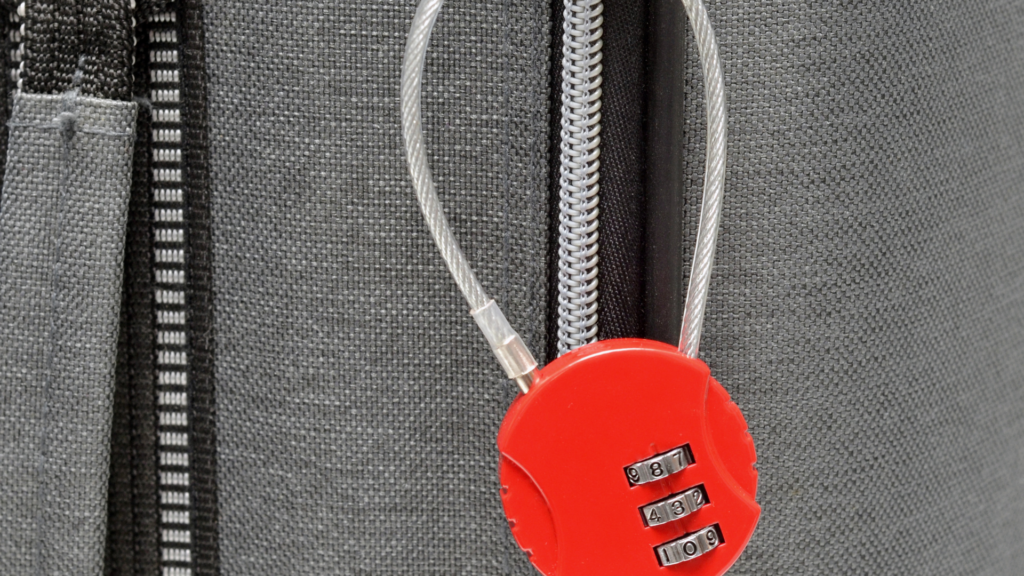
Be aware of your surroundings, especially in crowded tourist areas. Keep your valuables secure and out of sight to avoid attracting unwanted attention from potential scammers. Use hotel safes for important documents and valuables when possible. When out and about, keep your bag close to your body and be mindful of pickpockets in crowded areas. Consider using anti-theft bags or money belts for extra security. Remember, it’s not just about avoiding scams, but also preventing opportunistic theft.
Guard Your Personal Information
While it’s natural to want to be friendly with fellow travelers, be cautious about sharing too much personal information with strangers. Even seemingly helpful individuals could have ulterior motives. Be particularly careful about sharing details like your hotel name and room number, travel itinerary, or financial information. While it’s great to make new friends while traveling, maintain healthy boundaries and trust your instincts when it comes to sharing personal details.
Consider Travel Insurance
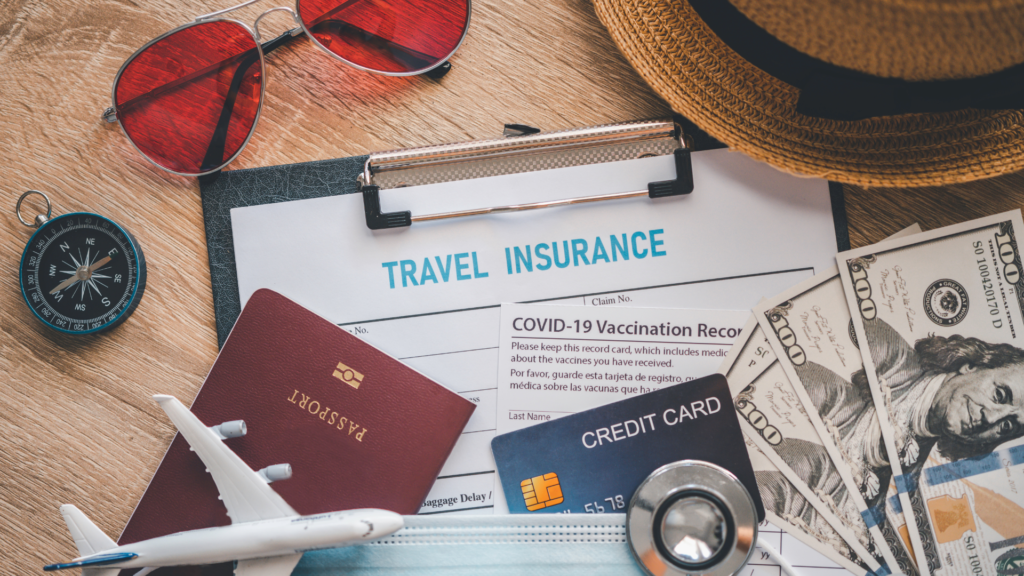
Investing in reputable travel insurance can provide additional protection and assistance if something does go wrong. It’s an extra safety net that can give you peace of mind during your travels. Good travel insurance can cover you for a range of issues, from medical emergencies to trip cancellations and lost luggage. Some policies even offer coverage for certain types of scams or fraud. When choosing a policy, read the fine print carefully to understand what’s covered and what’s not.
Stay Alert and Skeptical
Maintain a healthy level of skepticism, especially when approached by strangers offering unsolicited help or deals. While many people are genuinely kind, it’s important to stay vigilant to protect yourself from those with less noble intentions. This doesn’t mean you should be unfriendly or paranoid, but rather maintain a balance between openness and caution. If someone approaches you with an offer, take a moment to consider whether it makes sense in the context of your surroundings and what you know about local customs.
By following these tips and staying alert, you can significantly reduce your risk of falling victim to travel scams. Remember, a little caution goes a long way in ensuring a safer, more relaxed trip. Don’t let the fear of scams prevent you from fully enjoying your travels – instead, use these strategies to empower yourself and explore the world with confidence. Happy travels!
More from the Affordable Explorer: