Thailand has long been a beacon for spiritual seekers, offering numerous opportunities to explore meditation and Buddhist practices without the burden of cost. In this guide, we’ll explore some of the most renowned free meditation retreats across the Land of Smiles.
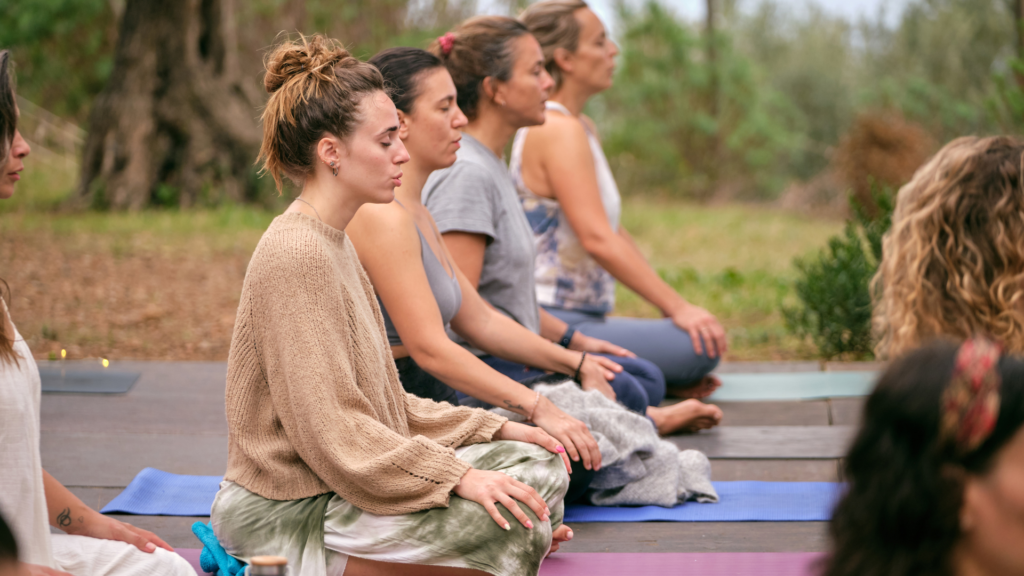
What to Expect from Thai Meditation Retreats
Before diving into specific locations, it’s important to understand that these retreats operate on a donation basis (dana) and follow traditional Buddhist practices. Your day typically begins at 4:00 AM and includes:
- Simple vegetarian meals (usually two per day)
- Basic dormitory accommodation
- Strict schedules combining sitting and walking meditation
- Periods of noble silence
- Buddhist teachings and dhamma talks
- Basic chores as part of mindful practice
Top Free Meditation Centers in Thailand
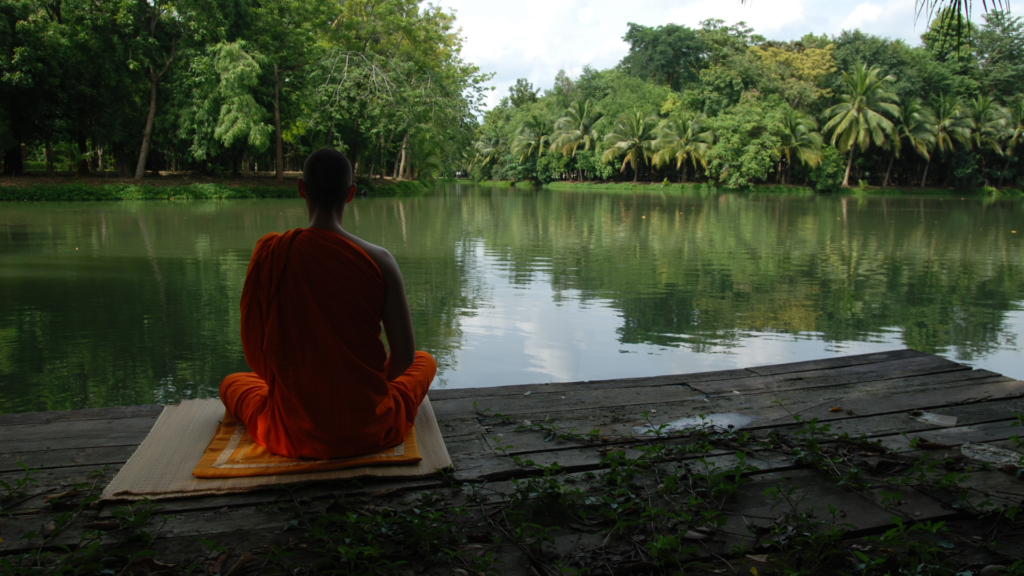
Wat Pa Tam Wua Forest Monastery
Location: Mae Hong Son Province, Northern Thailand
Duration: Flexible (1-30 days)
Nestled in the mountains near the Myanmar border, Wat Pa Tam Wua offers a perfect blend of structured practice and natural beauty. The monastery welcomes beginners and provides English instruction. No advance booking is required, though it’s recommended to check their Facebook page for current availability.
============================================================ –>Free Guide · Instant Download
50 Genuinely Free
Travel Experiences
Named, located, and verified — no catches, no upsells. Get the full guide plus one smart, specific travel idea in your inbox every month.
No spam, ever. Unsubscribe in one click.
International Dharma Hermitage at Wat Suan Mokkh
Location: Chaiya, Surat Thani Province
Duration: 10-day retreats beginning on the 1st of each month
Famous for their monthly 10-day retreats, Wat Suan Mokkh International maintains the legacy of the renowned Buddhist teacher Buddhadasa Bhikkhu. The retreat includes:
- Daily yoga sessions
- Hot spring bathing
- Instruction in anapanasati (breathing) meditation
- Simple concrete beds (traditional practice)
Wat Kow Tahm
Location: Koh Phangan
Duration: 7 or 10-day retreats
Though less austere than some centers, Wat Kow Tahm offers profound teachings combining:
- Vipassana meditation
- Loving-kindness practices
- Breath awareness
- Movement meditation
Practical Tips for Attendees
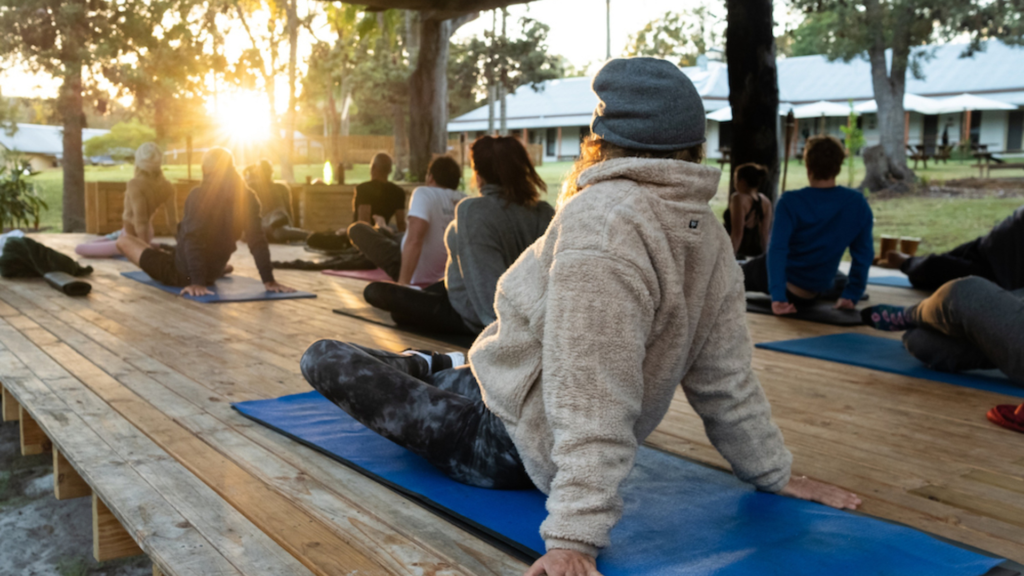
What to Bring
- White, modest clothing (covering shoulders and knees)
- Basic toiletries
- Mosquito repellent
- Flashlight
- Watch (phones are typically collected)
- Journal and pen
- Light blanket or sleeping bag
Cultural Considerations
- Remove shoes before entering meditation halls
- Dress modestly at all times
- Show respect to monks and nuns
- Maintain silence during designated periods
- Follow the Eight Precepts during your stay
Best Times to Visit
The ideal time for meditation retreats in Thailand is during the cool season (November to February) when temperatures are more comfortable for extended periods of sitting meditation. However, centers operate year-round, and the hot or rainy seasons can offer unique opportunities for practice.
Making a Donation
While these retreats are offered freely, they operate entirely on donations. Consider:
- Contributing to food costs
- Supporting maintenance expenses
- Helping with utility bills
- Offering dana to teachers
Donations should be made according to your means and with genuine appreciation for the teachings received.
Preparation and Registration

Most centers require:
- Advance email registration
- Proof of travel insurance
- Valid visa for your stay
- Health declaration
- Commitment to complete the full retreat duration
Final Thoughts
Free meditation retreats in Thailand offer an authentic opportunity to deepen your spiritual practice while immersing yourself in Buddhist culture. The experience challenges you physically and mentally but provides tools for lasting inner peace and self-understanding.
Remember that “free” doesn’t mean without value – these centers operate on generosity and trust. Approach your retreat with respect, openness, and gratitude for the ancient traditions being shared.
Whether you’re a beginner or experienced practitioner, Thailand’s meditation centers offer a supportive environment for spiritual growth, all while honoring the Buddhist principle of making the dharma available to all, regardless of financial means.
Note: Always check current operating status and requirements before planning your trip, as schedules and conditions may vary seasonally or due to local circumstances.
More from the Affordable Explorer: