The human desire to mark significant moments through grand ceremony has created some of the most captivating spectacles on Earth. From ancient religious rituals to modern cultural celebrations, these public ceremonies continue to draw millions of observers annually.
Japan’s Imperial Ceremonies — Tokyo
Japan’s imperial ceremonies stand among the world’s most meticulously choreographed royal events. The ancient Daijosai ritual, performed only once during an Emperor’s reign, involves elaborate Shinto ceremonies spanning two nights where the new Emperor communes with the gods. The public enthronement ceremony, last held in 2019 for Emperor Naruhito, transforms the Imperial Palace into a stunning display of ancient court traditions, with participants wearing ceremonial robes dating back centuries.

When it happens: Imperial enthronements are rare, once-in-a-generation events — the last was October 22, 2019. The Daijosai followed on November 14–15, 2019. There is no fixed schedule; the next will follow the accession of a new emperor. In between enthronements, the Imperial Palace East Gardens are open to the public year-round (free entry, closed Mondays and Fridays), and the Emperor greets the public at the Imperial Palace on New Year’s Day and the Emperor’s birthday (February 23).
Can visitors attend? The Daijosai ceremony itself is closed to the public — even the 700 invited dignitaries wait outside the ceremonial halls and cannot see the ritual taking place inside. However, after the ceremony the Imperial Household Agency opens the Daijokyu (the specially built ceremonial complex) to general visitors for a limited period — in 2019 this ran from 9am to 3pm. No ticket or registration is required for this public viewing; simply arrive at the Sakashita-mon Gate. Note it’s about a 900m walk from the gate to the complex, and queues can be significant.
============================================================ –>Free Guide · Instant Download
50 Genuinely Free
Travel Experiences
Named, located, and verified — no catches, no upsells. Get the full guide plus one smart, specific travel idea in your inbox every month.
No spam, ever. Unsubscribe in one click.
Getting there: Tokyo Imperial Palace is a 5-minute walk from Nijubashimae Station (Chiyoda Line) or 10 minutes from Tokyo Station. Entry to the East Gardens is free.
Budget tip: Even without an enthronement, the Imperial Palace East Gardens are one of Tokyo’s best free attractions. Combine with a walk through Kitanomaru Park for a half-day out that costs nothing.
Photography: Permitted in the palace gardens and at public viewing events. Respectful, quiet behaviour is expected throughout.
Trooping the Colour (The King’s Birthday Parade) — London, UK
This annual military parade marking the British sovereign’s official birthday features over 1,400 soldiers, 200 horses, and 400 musicians performing intricate manoeuvres in a display of military precision and royal pageantry. The procession travels from Buckingham Palace along The Mall to Horse Guards Parade and back, ending with the Royal Family appearing on the Buckingham Palace balcony and an RAF flypast at 1pm.
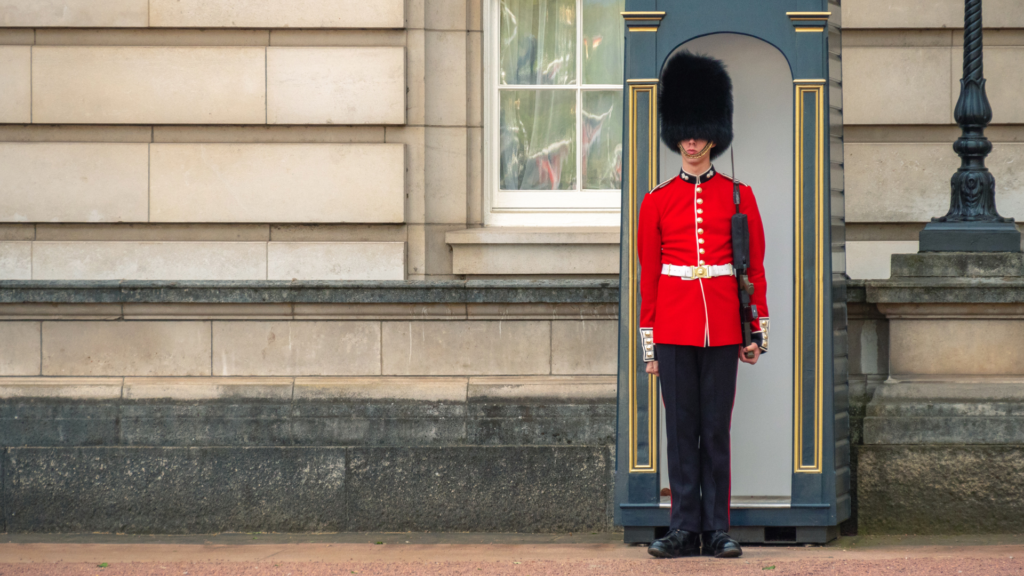
When it happens: The second Saturday in June each year. In 2026 this falls on Saturday 13 June. There are also two rehearsal parades on the preceding Saturdays (30 May and 6 June 2026 — the Major General’s Review and the Colonel’s Review respectively) which are nearly identical to the main event.
Is it free? Yes — you can watch the procession along The Mall and the returning parade entirely for free. Stand anywhere along The Mall from 9am for a view of the carriages and the Household Cavalry passing to and from Horse Guards Parade. Position yourself near Buckingham Palace to see the Royal Family on the balcony and the RAF flypast at 1pm.
Ticketed grandstand seats: Seated tickets at Horse Guards Parade (the main parade ground) are available by ballot only. The online ballot for the 2026 event closed in late March 2026. Up to 4 tickets per applicant at £30 each. For the rehearsal dates (30 May and 6 June), tickets are available to buy directly without a ballot — worth considering as the experience is almost identical and easier to access.
Best free viewing spots:
- The Mall — the processional route. Arrive by 8–8.30am to secure a good spot along the barriers. The full procession passes here twice.
- St James’s Park (northeast corner) — overlooking Horse Guards Parade. You can see parts of the parade over the heads of the troops. View may be partially obscured.
- Buckingham Palace forecourt area — for the balcony appearance and RAF flypast at 1pm.
Getting there: St James’s Park Underground station (District and Circle Lines) is the closest. Green Park (Jubilee, Victoria, Piccadilly) and Victoria stations are also within 10–15 minutes’ walk. Roads around The Mall are closed from early morning — arrive on foot.
What to wear: If attending the grandstand, there is a formal dress code: lounge suit or jacket and tie for men; dress, midi skirt, or tailored trousers with a blazer for women. No denim, shorts, or sandals for grandstand holders. For free public viewing along The Mall, there is no official dress code, though most people make an effort.
How to watch if you can’t be there: The King’s Birthday Parade is broadcast live on BBC from approximately 10am. The rehearsal dates are not typically broadcast.
Photography: Freely permitted along the public route. Telephoto lenses are useful for The Mall viewing spots as the procession is some distance away.
Budget tip: The free viewing along The Mall is genuinely excellent — the spectacle of the Household Cavalry in full dress uniform is visible from the barriers, and the RAF flypast can be seen and heard from anywhere near Buckingham Palace. Combine with a walk through St James’s Park for a full morning out at zero cost.
Timkat — Ethiopia (Gondar, Lalibela, Addis Ababa)
This Ethiopian Orthodox celebration of Epiphany involves vibrant processions where priests carry replicas of the Ark of the Covenant (the Tabot). The ceremony culminates in mass baptism renewals, with participants — dressed in traditional white clothing and netela shawls — gathering at sacred pools at dawn to be sprinkled with, and in some cases fully submerge in, blessed water. It is considered the most important festival in the Ethiopian calendar.
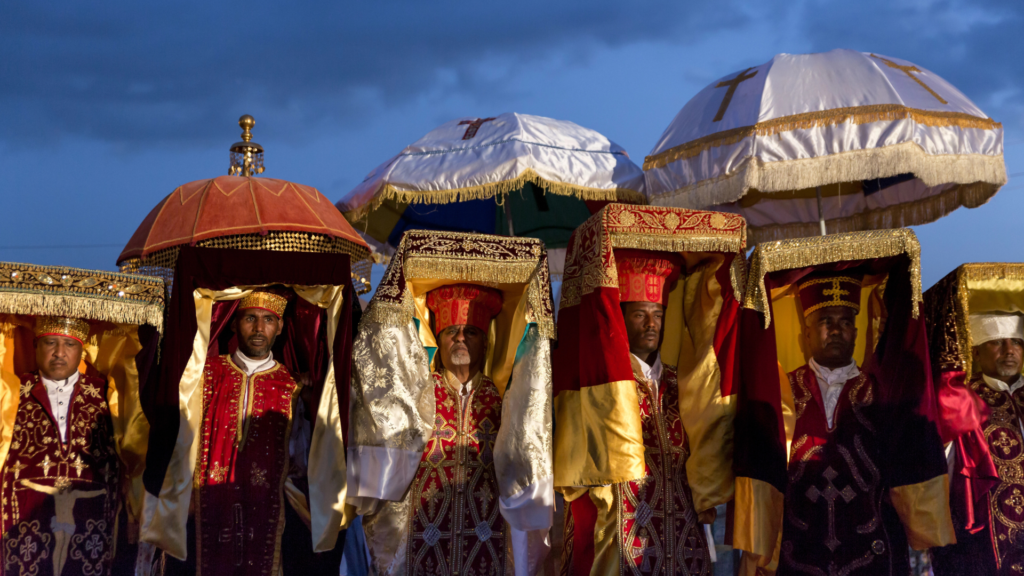
When it happens: January 19 each year (January 20 in leap years), corresponding to the 10th day of Terr in the Ethiopian calendar. Celebrations begin on the eve of Timkat (January 18, known as Ketera) with evening processions and music. The three-day festival runs January 18–20.
Best places to watch:
- Gondar — widely considered the finest Timkat celebration. The main event takes place at Fasilidas Bath, a 17th-century royal pool that is filled with water specifically for the ceremony. Priests carry the Tabot in procession from the churches of the Royal Enclosure the evening before, camping overnight by the pool. The blessing and mass baptism takes place at dawn.
- Lalibela — the rock-hewn churches provide an extraordinary backdrop. Lalibela has a deeply spiritual atmosphere and smaller crowds than Gondar.
- Addis Ababa — the largest celebration by sheer numbers, centred on Jan Meda grounds.
Do you need a ticket? No. Timkat is a free public religious festival. You can simply arrive and watch. Guided tours are available (and useful for context) but entirely optional.
Getting there: Fly Addis Ababa Bole International Airport (ADD), then take a one-hour domestic flight to Gondar (GDQ) or Lalibela (LLI) with Ethiopian Airlines. Domestic flights are affordable; a bus from Addis to Gondar takes around 10 hours.
Visa: Most nationalities require an Ethiopian e-Visa, processed online in approximately 3 days. Cost is around $82 USD for a 30-day stay.
Accommodation: Book at least 2–3 months ahead for Timkat week — hotels in Gondar and Lalibela fill up quickly. Budget guesthouses in Gondar start from around $15–20 per night.
What to wear: Dress modestly and respectfully — Timkat is a sacred religious occasion, not a festival in the Western sense. Many locals wear traditional white. Remove shoes when near the ceremonial pool area.
Photography: Generally welcomed, but always ask permission before photographing individuals or religious leaders, and follow any directions from priests or officials. Do not interrupt or enter the ceremony area.
Budget tip: Ethiopia rewards budget travellers. Eat fasting food (beyaynetu — a vegan platter) on Wednesdays and Fridays for around $3. Hire a local guide at sites for roughly $20/day rather than booking expensive package tours.
Diwali — India (and Beyond)
If there is a single night anywhere in the world that makes the strongest possible case for travel, it might be the main night of Diwali in a city like Varanasi or Jaipur. The Festival of Lights — celebrated across Hindu, Jain, and Sikh traditions — marks the triumph of light over darkness and good over evil. On the main night, every street, rooftop, balcony, temple, and riverbank is lit with diyas (small clay oil lamps), candles, and strings of lights; fireworks fill the sky from dusk until well past midnight; sweets are exchanged between neighbours; and the air smells of incense, gunpowder, and marigolds. It is a festival that happens at household level — families in their own homes, lighting their own diyas — and so a visitor doesn’t attend Diwali so much as become surrounded by it, which makes it one of the most immersive cultural experiences you can have anywhere.
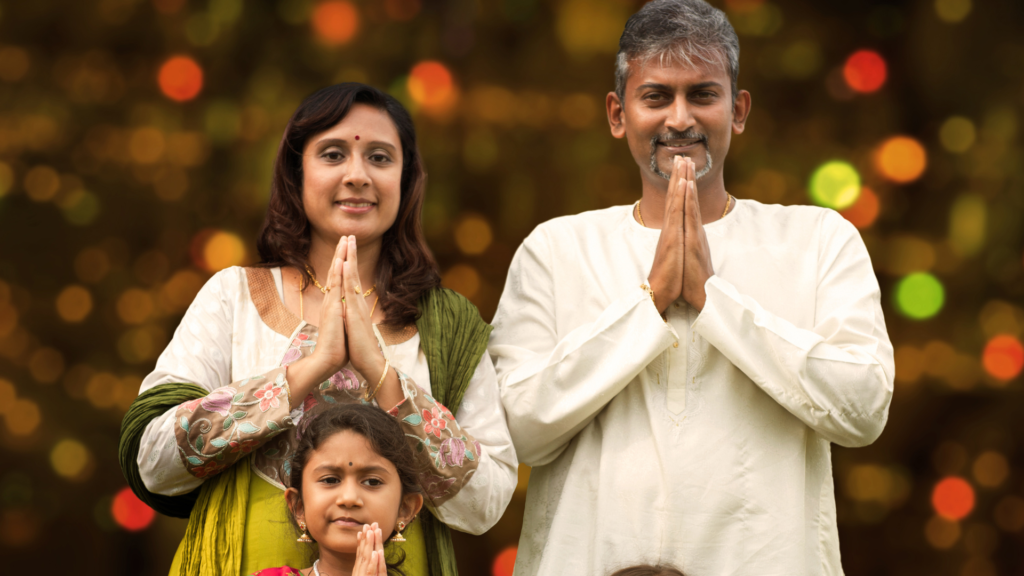
When it happens: Diwali is determined by the Hindu lunar calendar and falls on the new moon (Amavasya) in the month of Kartik — usually October or November. In 2026, the main night falls on Sunday, November 8, with the five-day festival running November 6–10. (In 2025 it was October 20 — the date shifts by approximately 18 days each year.)
The five days:
- Day 1 (Dhanteras, Nov 6) — shopping for gold and cookware; lamps lit at dusk
- Day 2 (Naraka Chaturdashi, Nov 7) — early morning rituals; firecrackers begin
- Day 3 (Lakshmi Puja / Main Night, Nov 8) — the peak of the festival; full illumination, fireworks, family prayers
- Day 4 (Govardhan Puja, Nov 9) — food offerings; regional variations
- Day 5 (Bhai Dooj, Nov 10) — sibling celebrations; the festival begins to wind down
Best places to experience it:
- Varanasi — many regard this as the finest Diwali in India. The ghats (riverbank steps) of the Ganges are lit with hundreds of thousands of diyas at dusk, their reflections rippling across the holy river. The Ganga Aarti ceremony at Dashashwamedh Ghat happens nightly but takes on extraordinary scale during Diwali. Fifteen days after Diwali, Varanasi also celebrates Dev Deepavali — when over a million lamps are lit along the ghats — which some visitors consider even more spectacular than Diwali itself.
- Jaipur — the Pink City turns gold. Palaces, markets, and the Johari Bazaar (jewellery market) compete for the most spectacular lighting displays. Amber Fort is illuminated, and the whole city has a festive opulence that rewards wandering on foot.
- Ayodhya — Lord Rama’s birthplace, and the city most directly connected to Diwali’s most widely told origin story. The Sarayu River ghats rival Varanasi during the festival.
- Mumbai — the fireworks over Marine Drive and the ghats at Banganga Tank make for a chaotic, urban, electric Diwali experience.
Is it free? Yes — entirely. Diwali is a domestic and community celebration that takes place on the streets and in homes. There are no ticketed events, no entry fees, and no organised ‘tourist version’. You simply walk the streets and are part of it.
Getting around during Diwali: Roads become extremely congested on the main night — firecrackers on the streets make driving difficult, and pedestrian crowds in city centres are very heavy. Walk where possible. In Varanasi, the ghats are pedestrian-only; allow extra time to get around on foot.
Visa: India requires advance visa for most nationalities. An Indian e-Visa (eTV) covers most visitors — apply online at least a week before travel, though earlier is safer. Cost is around $25 for a 30-day e-Tourist Visa.
What to wear: There are no requirements, but the festival has an association with new clothes and bright colours — dressing up a little is part of the occasion. If visiting temples, shoulders and knees should be covered.
Photography: Widely welcomed, and the visual spectacle is extraordinary. The challenge on the main night is managing the smoke from fireworks and incense — bring a lens cloth. In Varanasi, a boat ride on the Ganges at dusk gives the best view of the illuminated ghats.
Air quality: Be aware that fireworks in India’s larger cities — especially Delhi — can produce significant smoke on the main Diwali night. Delhi in particular has struggled with air quality around Diwali; visitors with asthma or respiratory sensitivities may want to choose Varanasi or Jaipur instead, where the open river and open desert respectively help disperse smoke faster.
Budget tip: India is one of the most affordable travel destinations in the world. A good hotel in Varanasi near the ghats costs £15–30 per night; street food (chaat, kachori, jalebi) is under £1 per serving. The main Diwali night itself costs nothing — the only expense is what you choose to spend on sweets to share.
Beyond India: Diwali is also celebrated in Leicester (one of the largest Diwali events outside India, free street festival on Golden Mile), Singapore’s Little India, Kuala Lumpur, Trinidad, and Mauritius — accessible alternatives if India itself feels too far.
The Vatican’s Easter Celebrations — Rome, Italy
There is nowhere on earth where Easter carries more weight than Rome during Holy Week. The city of 3,000-year history becomes the spiritual centre of global Catholicism, drawing pilgrims and visitors from over 100 countries into a sequence of ceremonies that build across seven days from Palm Sunday to Easter Monday. For visitors of any background, the week offers extraordinary access to some of the most significant religious rituals in the Christian calendar — the candlelit Way of the Cross at the Colosseum on Good Friday night, the Easter Vigil in St Peter’s Basilica on Holy Saturday, and the Easter Sunday Mass in St Peter’s Square, attended by tens of thousands, followed by the Pope’s Urbi et Orbi blessing from the basilica’s central balcony. In 2026, it is Pope Leo XIV who addresses the crowds — the first Easter of a new pontificate, and an occasion with particular resonance for the Catholic world.
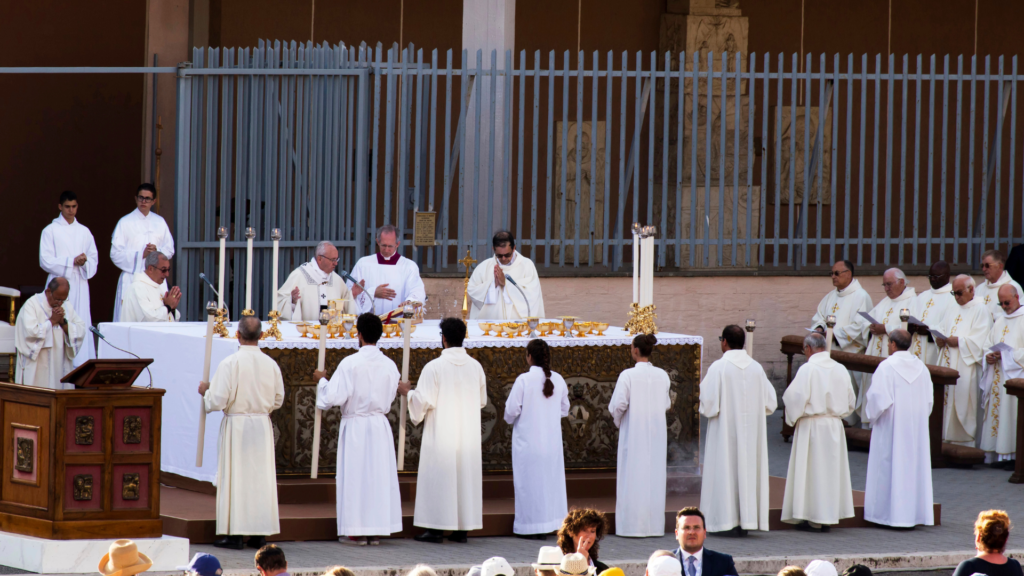
When it happens: Easter Sunday in 2026 falls on April 5. Holy Week runs from Palm Sunday (March 29) through Holy Saturday (April 4). The key events for visitors:
| Date | Event | Time | Tickets? |
|---|---|---|---|
| March 29 — Palm Sunday | Papal Mass, St Peter’s Square | Morning | Free, no ticket needed |
| April 3 — Good Friday | Way of the Cross (Via Crucis), Colosseum | 9.15pm (arrive 7pm) | Free, no ticket |
| April 4 — Holy Saturday | Easter Vigil, St Peter’s Basilica | 9pm | Ticket required |
| April 5 — Easter Sunday | Papal Mass, St Peter’s Square | 10.15am | No ticket needed — arrive very early |
| April 5 — Easter Sunday | Urbi et Orbi blessing from St Peter’s | 12 noon | Free, no ticket |
Tickets — what’s free and what isn’t:
Almost everything is free. The Easter Sunday Mass in St Peter’s Square requires no ticket — the square holds up to 80,000 people and anyone can attend, but it fills completely. Arrive before 8am to be sure of entry; later arrivals may be turned away once capacity is reached. The Urbi et Orbi blessing at noon also requires no ticket. The Good Friday Via Crucis at the Colosseum is entirely free and open to all. The Easter Vigil in the Basilica and some other Basilica Masses do require tickets — these are free but must be requested in advance through the Prefecture of the Papal Household at vatican.va (allow 2–3 months minimum). Never pay anyone for Vatican tickets — all papal event tickets are free. Anyone selling them is a scammer.
Wednesday Papal Audience: If you’re in Rome in the weeks before or after Easter, the Wednesday Papal Audience in St Peter’s Square is a free weekly event. Free tickets are available from the Prefecture of the Papal Household website or (for small groups) directly from the Swiss Guards at the Bronze Door on the day.
Getting to the Vatican: Metro Line A to Ottaviano station (10-minute walk to St Peter’s Square). On Easter Sunday, streets around the Vatican are closed from early morning — walk or take the Metro. Do not attempt to drive.
What to wear: Shoulders and knees must be covered to enter St Peter’s Basilica or for any Vatican ceremony. This is strictly enforced. Bring a scarf or extra layer if needed. There is no dress code for the open-air Square events, but respectful dress is appropriate.
What’s closed: The Vatican Museums and Sistine Chapel are closed on Easter Sunday and Easter Monday. Book your museum visit for a different day — ideally earlier in Holy Week.
A budget note on Rome at Easter: Rome at Easter is expensive and crowded. Book accommodation at least 3–4 months ahead. The €1 tram and Metro system covers the whole city. Eating well is possible cheaply — a good supplì (fried rice ball) or pizza al taglio from a counter costs €2–4 and is as good as any restaurant meal.
Can’t get into the Square? The Via Crucis at the Colosseum (Good Friday, 9.15pm) is the single most atmospheric ceremony of the week and requires no planning whatsoever — just arrive by 7pm and take up a position around the Colosseum. It is entirely free, powerfully dramatic by torchlight, and often overlooked by first-time visitors focused on Easter Sunday.
Thaipusam Festival — Singapore and Malaysia (Batu Caves, Kuala Lumpur)
Thaipusam is one of the most visually and spiritually arresting ceremonies you are likely to witness anywhere on earth. Celebrated by Tamil Hindu communities in honour of Lord Murugan, the festival involves thousands of devotees fulfilling vows made to the deity by carrying offerings on a pilgrimage to temple. The most striking of these are the kavadis — elaborate structures of wood, steel, and flowers attached to the bearer’s body through metal skewers piercing the skin — alongside the paal kudam, pots of milk carried on the head. What makes this experience so powerful for outside observers is not the physical acts themselves but the devotion behind them: participants prepare for weeks through fasting, prayer, and ritual discipline, and during the procession many enter a deeply meditative state. This is not performance for spectators. It is faith in its most committed and visible form.
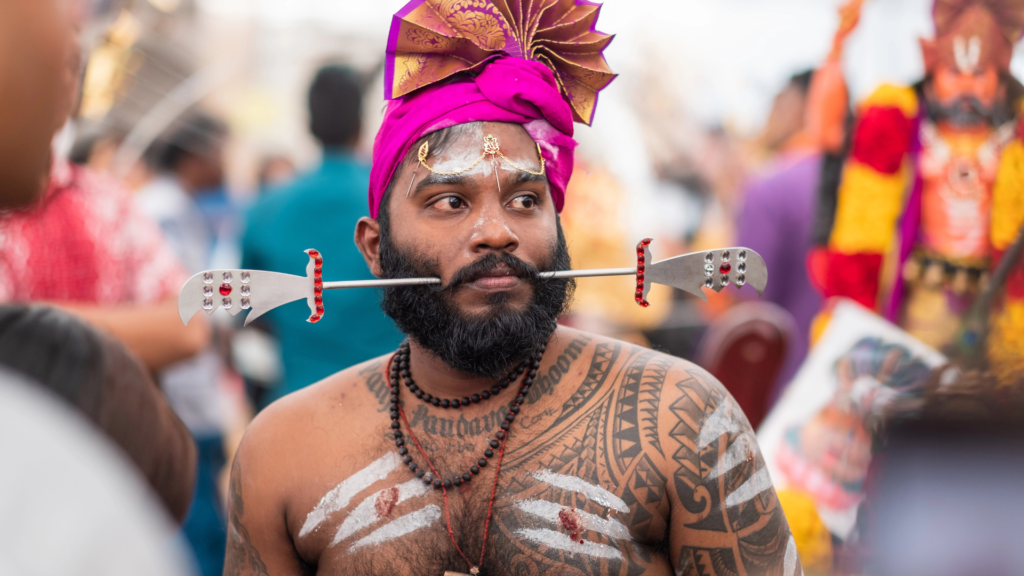
When it happens: Thaipusam falls on the full moon in the Tamil month of Thai, usually in late January or early February. In 2026 it fell on February 1. The date varies each year.
Best places to witness it:
- Batu Caves, Kuala Lumpur, Malaysia — the largest Thaipusam celebration in the world, drawing over a million people. The main temple is set inside a limestone cave complex accessed by climbing 272 steps (painted in rainbow colours). The procession from Sri Mahamariamman Temple in central Kuala Lumpur to Batu Caves covers approximately 15km and begins the night before, continuing through the day. This is the most dramatic and large-scale version of the festival you can experience anywhere.
- Singapore — a 4km procession from Sri Srinivasa Perumal Temple on Serangoon Road to Sri Thendayuthapani Temple on Tank Road, running through the night. The procession begins around 11.30pm and the destination temple opens just after midnight. More intimate and accessible than Batu Caves, with live traditional music lining the route.
Is it free? Yes. Entry to Batu Caves is free; there are no tickets or entry fees for Thaipusam at any of the main sites.
Getting to Batu Caves: Take the Komuter train from KL Sentral directly to Batu Caves station (about 30 minutes, very cheap). Do not drive — road closures and parking during Thaipusam make it almost impossible. Trains run through the night during the festival period.
Getting to the Singapore procession: Sri Srinivasa Perumal Temple is a 10-minute walk from Farrer Park MRT station (North East Line). The route passes through Little India — Mustafa Centre and the surrounding area make for excellent pre-procession exploration.
Visa: Malaysia and Singapore both offer visa-free entry to most Western passport holders (90 days for Malaysia, 30 days for Singapore).
What to wear: Dress modestly and respectfully — this is an active religious ceremony, not a cultural show. Covered shoulders and knees are appropriate. Visitors can wear anything modest; yellow and orange are the traditional festival colours and are appreciated. Do not touch devotees carrying kavadis or paal kudam without permission.
Photography: Permitted and widely practised, but approach with sensitivity. The closer the procession comes to the temple, the more emotionally charged the atmosphere. Always ask before photographing individuals at close range, particularly devotees in the midst of their vow fulfilment. Do not use flash photography near devotees.
Arriving at Batu Caves: Crowds are enormous — arrive early in the morning for the procession, or visit in the late afternoon when the main rush has passed. The heat and density can be intense. Bring water, wear comfortable shoes, and be patient. Medical volunteers are stationed throughout the site.
Budget tip: Kuala Lumpur is one of the most affordable cities in Southeast Asia. A full day including the Batu Caves visit, street food lunch in the Indian Quarter (Brickfields or Bangsar), and dinner can cost under £15 all in. The Komuter train from KL Sentral to Batu Caves costs around RM2 (approximately 35p).
Chinese New Year in Hong Kong
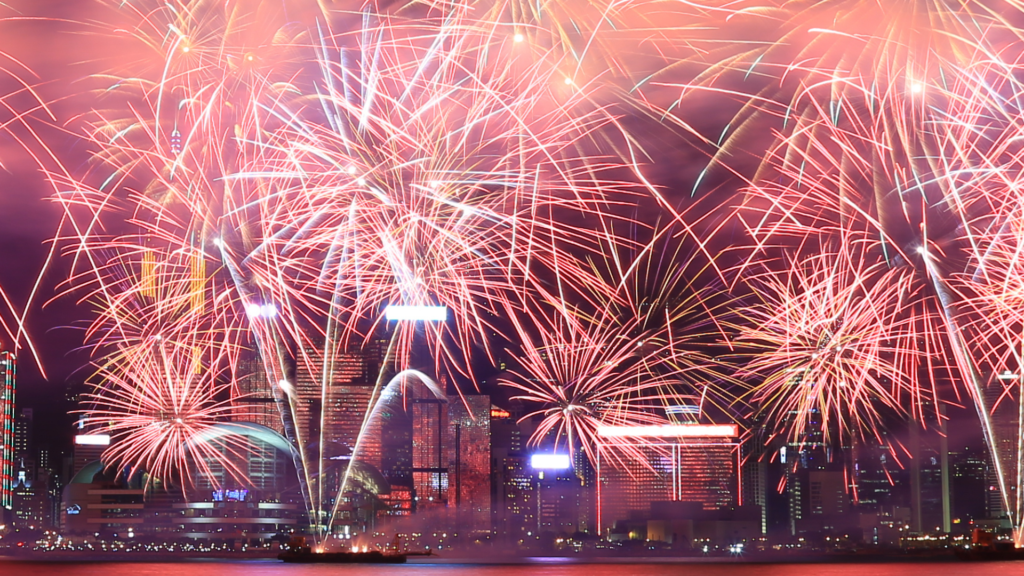
Hong Kong’s Lunar New Year celebrations are unlike any other in the world — a collision of ancient Chinese tradition and cosmopolitan spectacle played out across one of the most dramatic urban backdrops on earth. The three centrepiece events are a night parade through Tsim Sha Tsui featuring illuminated floats, dragon and lion dances, acrobatic troupes, and international performers; a 23-minute fireworks display launched over Victoria Harbour on the second night; and the Lunar New Year horse racing at Sha Tin Racecourse on the third day, drawing over 100,000 spectators. Around these headline events runs a full three weeks of city-wide decoration, flower markets at 14 locations across Hong Kong, temple visits, and a palpable energy that transforms even the MTR stations into celebrations. More than anywhere else in the world, Hong Kong makes Lunar New Year feel like a civic event that the entire city — and its visitors — are all part of.
When it happens: Chinese New Year falls on a different date each year, determined by the lunar calendar. In 2027 it falls on February 6. The main celebrations in Hong Kong — parade, fireworks, and racing — take place on the first three days of the new year, with the wider festival period running for approximately three weeks.
The three main events:
- Night Parade — Tsim Sha Tsui, evening of New Year’s Day (around 8pm). Entirely free to watch from the street. Arrive along the route by 5pm for a good spot; crowd density can be extreme closer to the waterfront.
- Fireworks Display — Victoria Harbour, evening of the second day of the new year (approximately 8pm, lasting 23 minutes). Free to watch from the waterfront. The best free viewing is the Tsim Sha Tsui Promenade — arrive by 5pm to secure a spot on the barrier. The ferry piers and the Wan Chai waterfront on the Hong Kong Island side are good alternatives.
- Lunar New Year Race Day — Sha Tin Racecourse, third day of the new year. Tickets required; available through the Hong Kong Jockey Club website.
Flower Markets: Free entry at all 14 locations from around February 11–17. The Victoria Park Flower Market in Causeway Bay is the largest and most atmospheric, best visited in the evenings for atmosphere or very late on the final night (February 16–17) for heavily discounted prices.
Getting there: Hong Kong International Airport (HKG) is served by direct flights from most major cities. The Airport Express train runs directly to Hong Kong Station and Kowloon Station in 24–43 minutes. For the parade and fireworks, Tsim Sha Tsui MTR station (Tsuen Wan Line) is the closest stop — but roads and some exits will be closed on event nights. Plan to walk in from a stop or two away.
Visa: Visitors from the UK, US, EU, Australia, and most Western countries receive visa-free entry to Hong Kong for 90 days.
Accommodation: Book at least 3 months ahead for Lunar New Year. Hotel prices rise sharply during this period — consider staying in Kowloon (Tsim Sha Tsui or Jordan areas) for central access to both the parade route and Victoria Harbour views. Budget hostels in Chungking Mansions start from around HK$150/night (~£15).
What to wear: There are no dress requirements. Red is considered auspicious and widely worn, though tourists wearing it are welcomed rather than expected. Dress warmly — Hong Kong in late January/early February can be 10–15°C, often with damp air.
Budget tip: The Flower Market visit, the parade, and the fireworks are all completely free and are three of the most memorable experiences Hong Kong has to offer. Eat in one of the dai pai dong (open-air food stalls) or a cha chaan teng (traditional Hong Kong café) near the market for local food from around HK$40–60 (~£4–6) per person.
Día de los Muertos (Day of the Dead) — Mexico (Oaxaca and Mexico City)
While not a single ceremony, the preparations and rituals across Oaxaca and Mexico City showcase elaborate altar-building (ofrendas), candlelit cemetery vigils, and sand tapestry art (tapetes de arena) that bring together artistry, tradition, and profound cultural meaning. This is a celebration of life and memory, not a Halloween-style event — families gather to honour and communicate with their deceased loved ones.
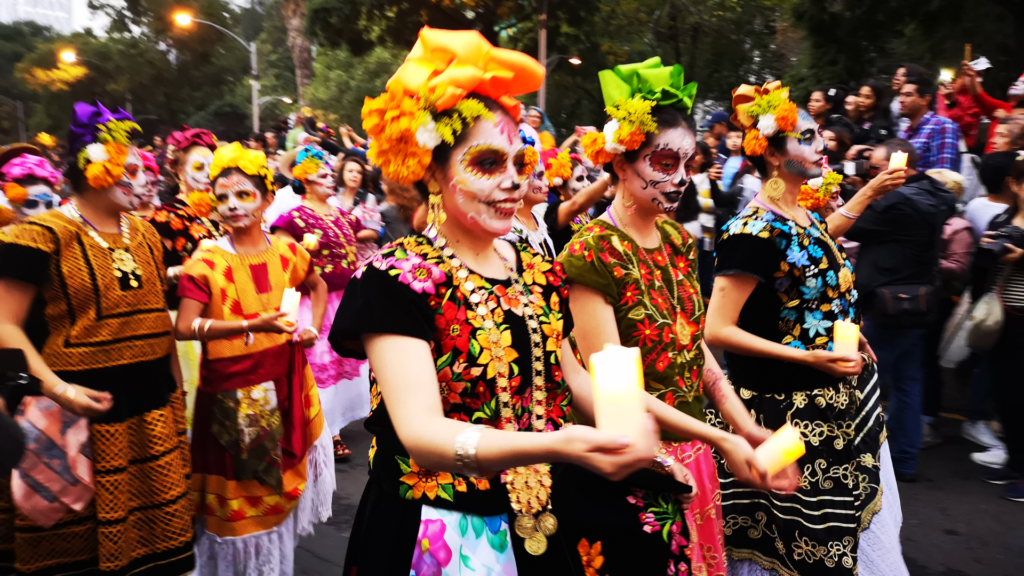
When it happens: October 31–November 2 each year. October 31 focuses on children who have died (Día de los Inocentes), November 1 is All Saints’ Day, and November 2 (Día de los Muertos) is the main event. In Oaxaca, celebrations actually begin earlier — sand tapestry competitions start around October 29 and the city decorates from mid-October onwards.
Best places to experience it:
- Oaxaca City — considered the most authentic and tradition-focused celebration in Mexico. The comparsas (street parades), sand tapestries, cemetery vigils in the nearby villages (particularly San Felipe del Agua and Xoxocotlán cemetery), and altar displays throughout the city are exceptional. Nearby villages like Zaachila hold their own intimate ceremonies.
- Mexico City (Xochimilco) — large, festive, with night canal boat rides during the Día de Muertos period and free pulque festivals. More accessible for first-time visitors, with excellent metro connections.
Is it free? The overwhelming majority of Día de los Muertos events are free — parades, cemetery visits, street altars, sand tapestries, and public ceremonies cost nothing. Some ticketed experiences (night canal tours in Xochimilco, organised walking tours) are available but optional.
Getting there:
- Oaxaca: Fly into Oaxaca International Airport (OAX) — direct flights from Mexico City take about an hour. From Mexico City, there’s also an overnight bus (approximately 6–7 hours, very affordable).
- Mexico City: Served by Benito Juárez International Airport (MEX) and the newer Felipe Ángeles Airport (NLU). Metro and metrobús connect to Xochimilco.
Accommodation: Book 3–6 months ahead for Oaxaca during Día de los Muertos — it is one of the busiest travel dates in Mexico. Hostels start from around $15–20/night; mid-range hotels from $50–80.
What to wear: This is a religious and cultural observance, not a costume party. Avoid Halloween-style costumes — they are considered disrespectful. Traditional Catrina face paint (inspired by José Guadalupe Posada’s iconic illustration) is culturally appropriate for visitors. When visiting cemeteries, wear darker, more subdued colours to show respect to families.
Getting around Oaxaca: The city centre is best explored on foot, especially during the festival when many streets become pedestrian-only. Taxis are safe and affordable (50–100 pesos for most city centre journeys) — confirm the fare before getting in. Uber works in Oaxaca but availability during Día de los Muertos is extremely limited; rely on taxis.
Photography: Permitted in public spaces and during parades. In cemeteries, always be sensitive — ask families before photographing them at gravesides. Many families welcome respectful visitors and photographers; some prefer privacy.
Packing: Oaxaca has warm days (around 29°C/85°F) and cool nights (around 12°C/55°F). Bring layers. Comfortable, flat shoes are essential — the city centre is cobblestone throughout.
Budget tip: Eat at the Mercado 20 de Noviembre for incredibly affordable Oaxacan food (tlayudas, chapulines, mole negro) from around $3–5. The market is one of the best food experiences in Mexico and costs a fraction of restaurant prices.
Trooping the Colour in London
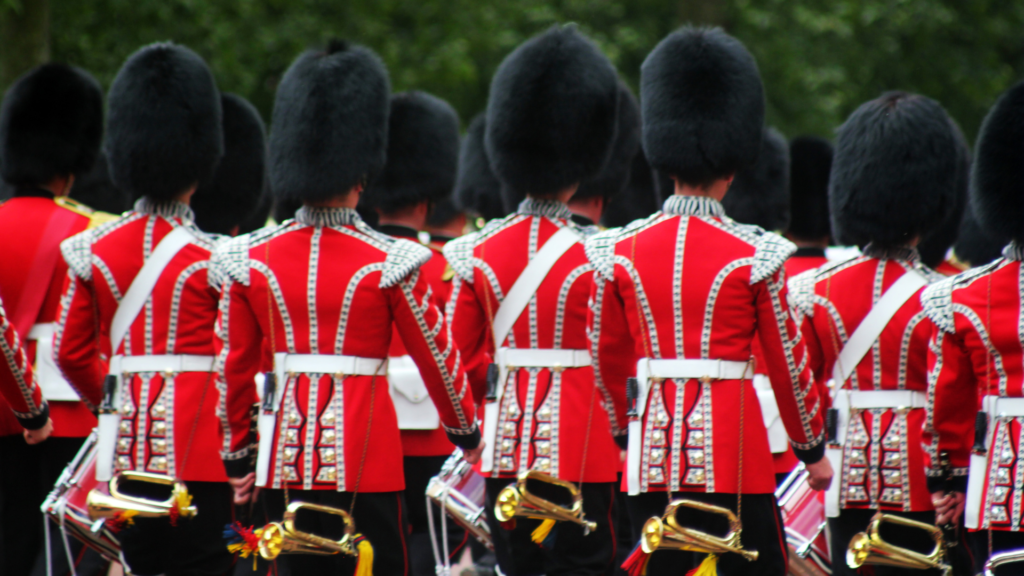
This annual military parade marking the British sovereign’s official birthday features over 1,400 officers, 200 horses, and 400 musicians performing intricate maneuvers and music in a display of military precision and royal pageantry.
A Note on Visiting These Ceremonies Respectfully
All four of these ceremonies are rooted in genuine religious, cultural, or national significance. They are not performances put on for tourists. When visiting:
If in doubt about whether something is appropriate, don’t do it — and ask a local guide if you have one
- Follow the lead of local participants on dress, behaviour, and photography
- Give way to processions and officiants
- Keep noise to a minimum in sacred or ceremonial spaces
More from the Affordable Explorer: