You don’t need a US$600-a-night lodge to see Africa’s wildlife. Here’s how to do a real safari for almost nothing — legally, safely, and with memories that will outlast any luxury tent.
By Nikki Piggott · Free Experiences · Updated May 2026 · 12 min read
The word ‘safari’ has been kidnapped by the luxury travel industry. Type it into Google and you’ll be confronted with infinity pools overlooking the Serengeti, candlelit dinners on the savannah, and lodges that cost more per night than most people’s monthly rent. It’s a fantasy — and it’s given millions of people the impression that seeing Africa’s wildlife is only for the wealthy.
It isn’t.
============================================================ –>Free Guide · Instant Download
50 Genuinely Free
Travel Experiences
Named, located, and verified — no catches, no upsells. Get the full guide plus one smart, specific travel idea in your inbox every month.
No spam, ever. Unsubscribe in one click.
Africa has hundreds of national parks, game reserves, and conservation areas. Some of them — particularly community-run conservancies and publicly funded reserves — can be visited for very little money, and in a handful of cases, for free. The trick is knowing which ones, how to access them, and what the real costs actually are once you’re inside.
I’ve done budget safaris in Kenya, Uganda, and South Africa. This guide covers the legitimate ways to experience African wildlife without paying lodge prices — including free community conservancy visits, volunteer programmes that put you inside game reserves, and the cheapest possible approaches to the national parks that still charge entry fees.
| Quick answer: There is no single ‘completely free’ safari in the traditional sense — but there are conservancy visits that cost nothing, volunteer programmes that give you weeks inside game reserves for the cost of food, and entry-level national park options that come in well under £30/day for the park itself. The lodge is where the real money goes. |
The Two Types of Free Safari Experience
Before I get into specifics, it’s worth being clear about what ‘free safari’ actually means in practice, because there are two different things being conflated:
- Community conservancy visits — land managed by local communities where wildlife is present and access fees are minimal or nonexistent. You’re not paying lodge prices because there’s no lodge. You walk, drive (in your own hire car or with a local guide), and see animals. This is the closest thing to a genuinely free safari.
- Volunteer-based wildlife access — programmes where you work in exchange for accommodation and meals inside or adjacent to a reserve. The ‘work’ ranges from conservation data collection to community education. You’re not paying for the experience because you’re providing something in return.
Both are legitimate. Both require planning. Neither involves sitting in a Land Cruiser with champagne at dawn — which, honestly, is fine.
1. Community Conservancies: Kenya’s Best-Kept Secret
Kenya is the single best destination for free or near-free game viewing, and the reason is its network of community conservancies — privately managed land that sits adjacent to, or overlaps with, national park boundaries.

The Maasai Mara ecosystem alone has more than 20 community conservancies surrounding the national reserve. Unlike the reserve itself (which charges $80/day for non-residents), several conservancies charge little or nothing for day access because they generate income through the lodges and camps built on their land. As a visitor who isn’t staying in those lodges, you can sometimes negotiate direct access with the community.
Ol Kinyei Conservancy, Maasai Mara — Entry by Negotiation
Ol Kinyei is managed by the Maasai community and hosts serious wildlife including lions, elephants, and the annual wildebeest migration crossing. The conservancy has lodges, but day visitors who approach the community management office directly can sometimes arrange guided walks or vehicle access for a negotiated community fee — typically in the range of 1,500–3,000 KES (£8–£17). This is not an official product. You need to ask, explain you’re a budget traveller, and be respectful of whatever answer you get.
The wildlife density in Ol Kinyei rivals the national reserve. I spent a morning here and saw more cats in three hours than in two days in the Mara itself.
| Location | Near Sekenani Gate, Maasai Mara |
| Entry cost | Negotiated community fee: approx. 1,500–3,000 KES (£8–17) |
| What you’ll see | Lion, elephant, giraffe, wildebeest, leopard (lucky) |
| Best for | Anyone self-driving or hiring a local car in the Mara |
| Contact | Ask at Sekenani Gate or Ol Kinyei management office directly |
Kimana Sanctuary, Amboseli — Free With Community Permission
South of Nairobi near Amboseli National Park, the Kimana Community Wildlife Sanctuary is Maasai-owned land between the park and Kilimanjaro. In the past, day visitors were charged a nominal entry fee of around $5. The situation varies — sometimes access is negotiated directly with community elders. It’s worth arriving at the sanctuary gate and asking.
Amboseli’s famous elephant herds frequently move through Kimana. The views of Kilimanjaro from here are spectacular, and the land has none of the congestion of the national park itself.
Laikipia Plateau — Multiple Conservancies, Some with Free Entry Points
The Laikipia Plateau north of Mount Kenya is home to one of the highest concentrations of wildlife outside a national park in Africa. It’s a mosaic of private ranches, community conservancies, and wildlife corridors. Some of the community conservancies — including Naibunga and parts of Il Ngwesi territory — allow guided visits arranged directly through community associations, often for a small conservation contribution rather than a fixed entry fee.
Laikipia has Kenya’s largest populations of endangered Grevy’s zebra and African wild dog. This is not easy wildlife to see in national parks. Budget travellers who do their research here get access to species that $1,000/night lodges charge premium rates to offer.
2. Volunteer Programmes Inside Game Reserves
Wildlife volunteering has a complicated reputation. There are exploitative operators who charge thousands of pounds for ‘voluntourism’ that amounts to paying to take holiday photos with animals. Avoid those.
But there are also legitimate conservation programmes where skilled or unskilled volunteers genuinely contribute to research, anti-poaching monitoring, habitat restoration, or community education — and receive accommodation and meals in exchange. These are different in kind from the paid tourism programmes, and several are free or have very low participation fees.
Volunteers for Africa — Kenya, Uganda, Tanzania
Volunteers for Africa runs conservation placements in several East African reserves, including wildlife monitoring positions where volunteers record sighting data and support ranger operations. The programme fee covers accommodation and food — typically around $15–20/day depending on placement — with no additional ‘experience fee’ on top. You are working, and the work is taken seriously.
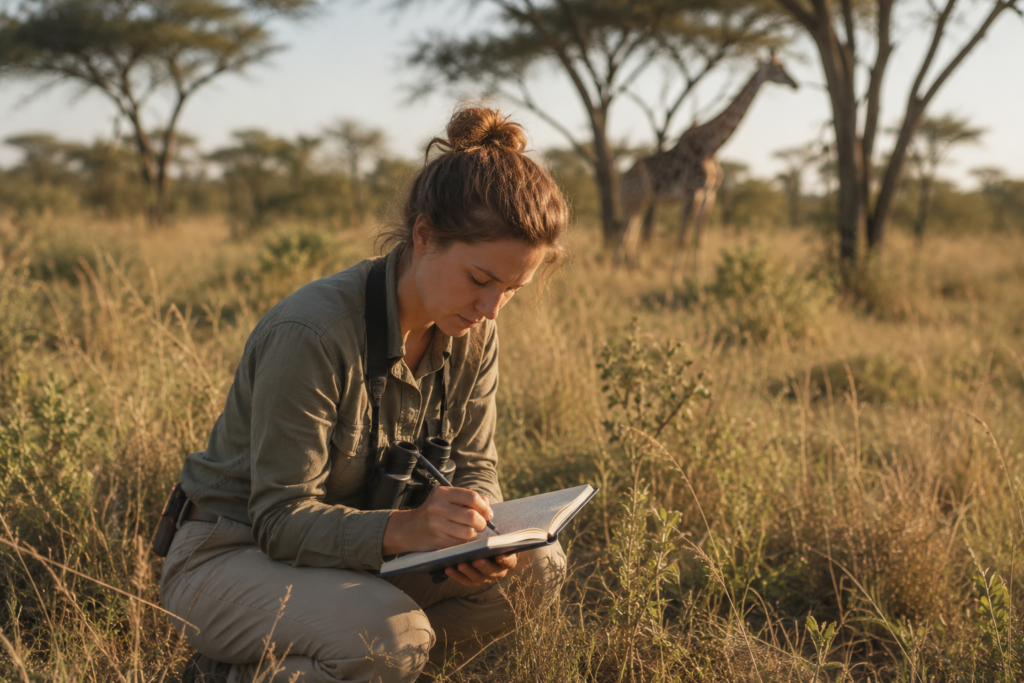
Placements last a minimum of two weeks. Most positions don’t require specific qualifications, though basic fitness is expected for bush walking components.
African Conservation Experience — South Africa Placements
African Conservation Experience (ACE) places volunteers in private game reserves in the Greater Kruger area for conservation monitoring work. The fee structure includes accommodation and meals within the reserve; volunteers assist with wildlife surveys, animal tracking, and data recording. The reserve access is built into the placement — you’re not paying an additional entry fee.
The minimum stay is typically two weeks. Rates are higher than some other programmes (around £1,200 for two weeks including accommodation and food, but not flights), but you’re living inside a Big Five game reserve for that period. Compared to two weeks in a lodge, it’s a fraction of the cost.
Worldpackers — Safari-Adjacent Positions
Worldpackers lists work exchange positions across Africa, and a handful of these are specifically in or adjacent to game reserves — guesthouse work in safari gateway towns, eco-lodge help desk positions, and occasionally conservation camp roles. The positions in Hoedspruit (Kruger gateway) and Maun (Okavango gateway) sometimes include reserve day visits as a benefit.
Worldpackers membership costs $49/year. The accommodation and meals in the work exchange are free. Several listers in the Kruger area include ‘one or two game drives per month’ as part of the package for workers. It’s not a safari programme — it’s work-for-accommodation with wildlife access as a perk. Honest framing matters here.
| Important: Always verify the legitimacy of wildlife volunteer programmes before committing. Ask whether the organisation is affiliated with a recognised conservation body. Avoid any programme that charges you to handle or ‘interact with’ big cats or primates — these are almost always harmful. |
3. National Parks: The Budget Approach to Paid Entry
Most of Africa’s iconic national parks charge entry fees. That’s unavoidable, and honestly appropriate — these fees fund conservation. But the entry fee is not where budget safaris fall apart. The lodge is. Here’s the honest breakdown:
| Maasai Mara NR, Kenya | $80/person/day (non-resident) — but only if you’re inside the reserve |
| Kruger NP, South Africa | R216/person/day (~£9) — one of the cheapest Big Five parks in Africa |
| Queen Elizabeth NP, Uganda | $40/person/day — gorilla permits are separate and much more expensive |
| Hwange NP, Zimbabwe | $20/person/day — significantly cheaper, excellent elephant populations |
| Etosha NP, Namibia | N$80/person/day (~£3.50) — extraordinary value, self-drive friendly |
The pattern here is clear: South Africa, Namibia, and Zimbabwe have dramatically lower entry fees than East African parks. For the budget traveller, this matters enormously.
Kruger: Self-Drive, Rest Camps, and No Lodge Required
Kruger National Park in South Africa is, genuinely, one of the world’s best-value wildlife destinations. Park entry is around £9/day. Accommodation inside the park at one of South African National Parks’ (SANParks) rest camps costs from R400–R900 per night (~£17–£38) for a basic rondavel or camping pitch. A self-drive vehicle (hire a car in Johannesburg or Nelspruit) gives you unlimited access to the park roads. You see lion, leopard, elephant, buffalo, and rhino without a guide, without a lodge, without a game drive jeep.
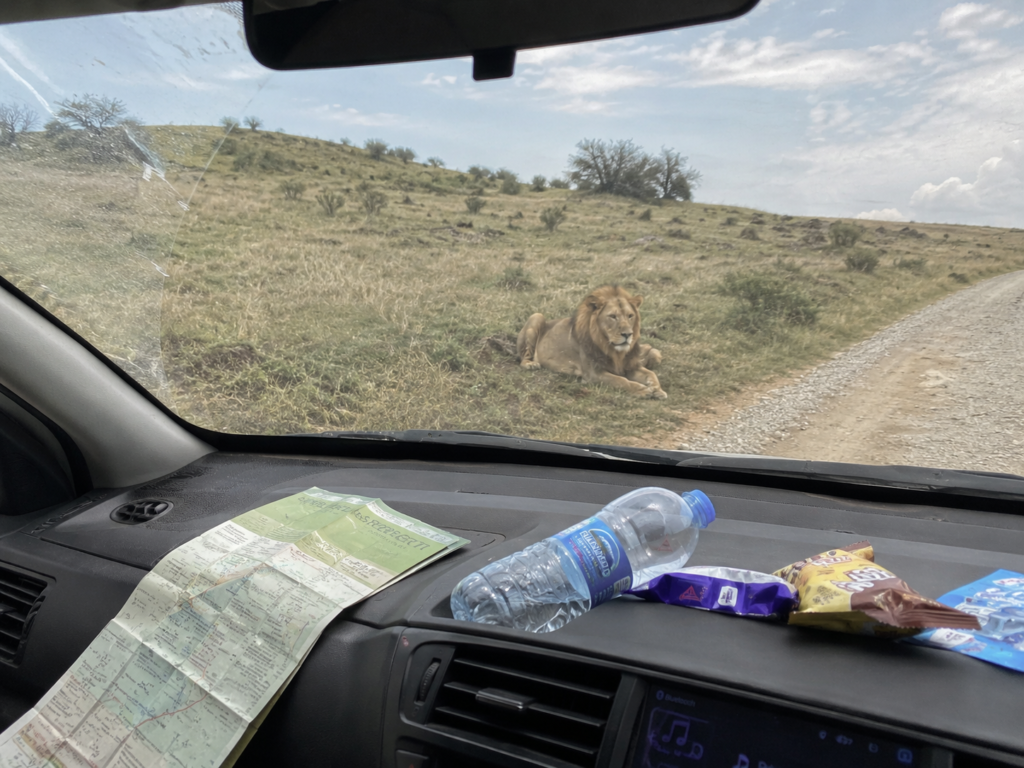
I spent four days in Kruger for under £200 total including accommodation, entry fees, food, and a share of the hire car. I saw all five of the Big Five. No lodge, no guide, no problem.
Etosha: Namibia’s Wildest Bargain
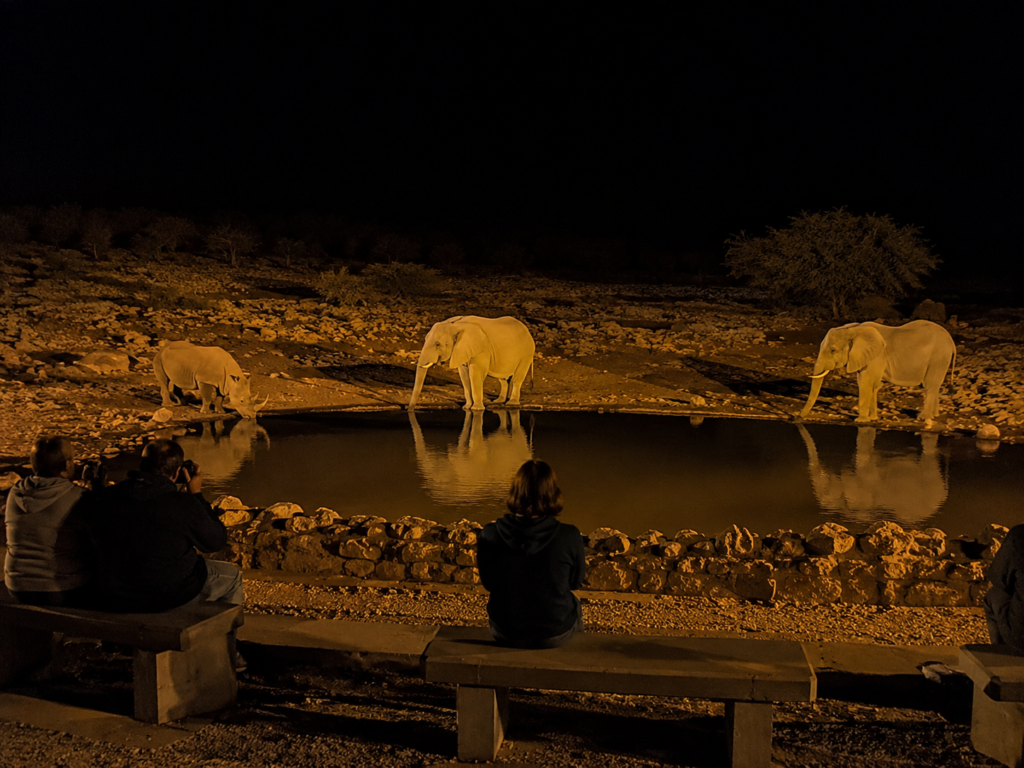
Etosha is built around a vast salt pan that acts as a focal point for wildlife in the dry season. Animals converge on the waterholes around the pan edges, which means you park at a waterhole, turn off the engine, and watch the wildlife come to you. Entry is under £4/day. The government-run rest camps (Okaukuejo, Halali, Namutoni) have floodlit waterholes — the Okaukuejo waterhole is one of the best wildlife-viewing spots in Africa and is accessible to all camp guests 24 hours a day for free.
Camp accommodation starts from around N$300 (~£13) for a camping pitch. It’s possible to see black rhino, lion, and elephant at the Okaukuejo waterhole without leaving your camp chair.
The Budget Safari: Practical Numbers
Here is what a realistic budget safari costs, stripped of lodge prices, using the approaches above:
| Kruger NP self-drive (4 nights) | ~£200 total (entry + camp + food + car share) |
| Etosha NP self-drive (3 nights) | ~£120 total (entry + camp + food + car share) |
| Maasai Mara community conservancy day visit | £8–17 (negotiated community fee) |
| Volunteer programme (2 weeks, food + accommodation) | £800–1,400 depending on programme |
| Worldpackers work exchange (per week) | £0–15 (membership fee amortised) |
The flights are the main cost. Once you’re in Africa, a budget safari is achievable. The trick is separating the national park experience (often very affordable) from the lodge industry that has been built around it.
How to Plan Your Free or Budget Safari: Step by Step
- Choose your country based on entry fees and self-drive accessibility. Kruger and Etosha are the two best options for pure budget value. Maasai Mara community conservancies are excellent but require more local research and negotiation.
- Book SANParks rest camps or Namibia Wildlife Resorts camps well in advance for Kruger and Etosha — they are popular and fill up months ahead, especially in peak season (June–October).
- Hire a car with good ground clearance. In Kruger, a standard sedan is fine. In Etosha, a basic hatchback handles most roads. You do not need a 4×4 for either of these parks.
- Pack your own food. Rest camp shops are expensive. Bring supplies from the nearest town (Phalaborwa or Nelspruit for Kruger; Outjo or Otjiwarongo for Etosha). A portable camp stove or a foldable travel kettle is worth its weight.
- Research community conservancies before you go. Email the Kenya Wildlife Service or look up specific conservancy management contacts before you travel — asking on arrival is possible but not guaranteed to work.
- For volunteer programmes, apply at least three months in advance. The good programmes fill their placements quickly.
The Bottom Line
Africa’s wildlife does not belong to the luxury lodge industry. It belongs to the continent, and increasingly — through conservation community models — to the people who live alongside it. Budget travellers who engage with community conservancies, volunteer programmes, and self-drive national parks are often having a more authentic experience than those being ferried between lodges in private aircraft.
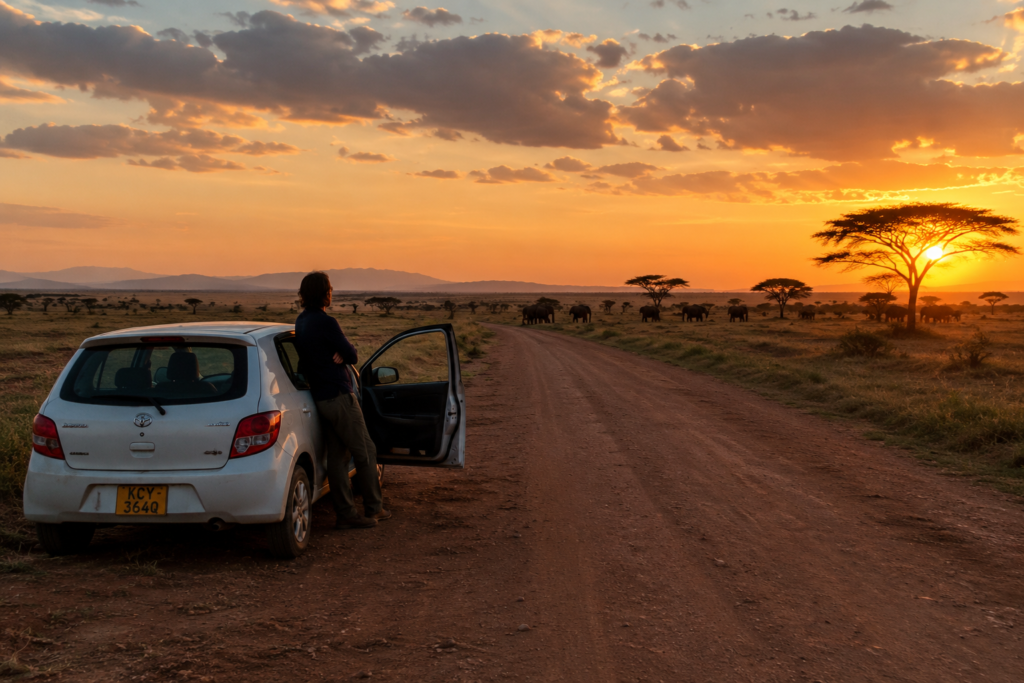
The migration crosses the Mara River whether you’re watching from a £1,000/night tented camp or from the bonnet of a rented Suzuki Alto at the edge of a community conservancy. The elephant at Okaukuejo waterhole doesn’t care that you’re on a camping pitch rather than a suite.
See it for what it is. You don’t need permission from the luxury travel industry to be there.
| Explore more in this series: Free Meditation Retreats in Thailand · Free Walking Tours Worldwide · Volunteer Abroad Free: Programmes That Cover Food and Accommodation |