Here’s the rule I use in every city, and it hasn’t failed me yet: under 2km, walk. Over 3km, take transport. In between, it depends on the city — and that’s what this guide is for.
Most travel advice treats this as a personality question. Are you a “walker” or not? That’s the wrong frame. It’s a maths question, and the variables are distance, fare price, heat, hills, and what you’d miss by going underground. Get those right and the decision makes itself.
The 2km test
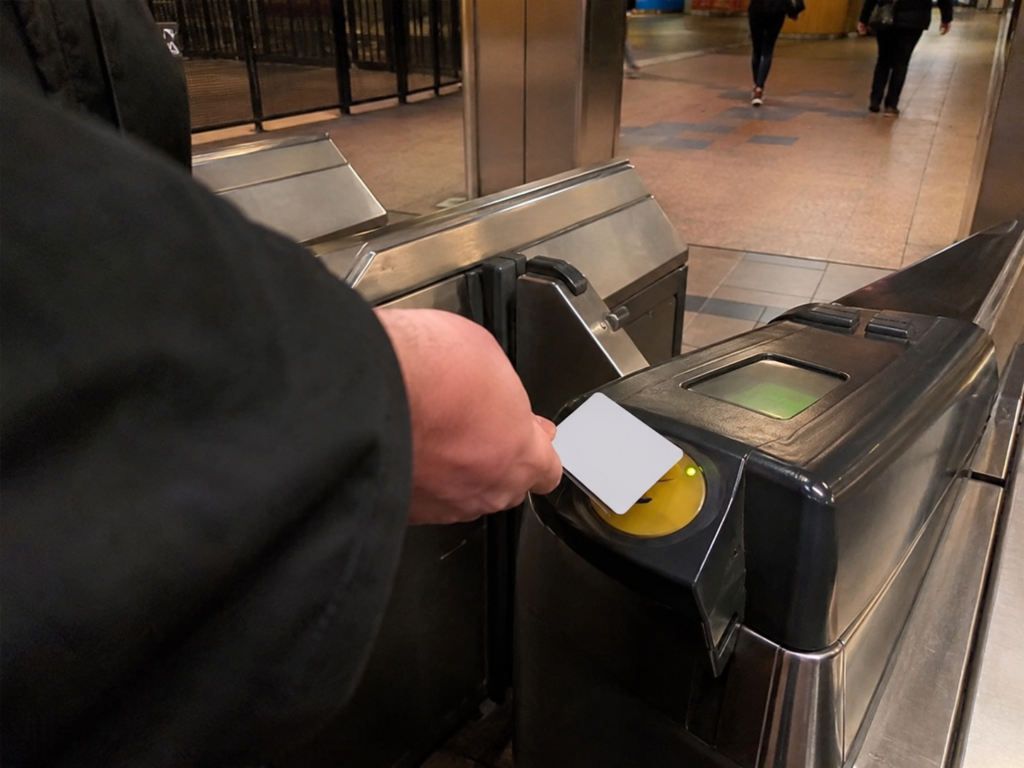
Two kilometres is about 25 minutes of walking. In almost every major city, a single transport fare buys you roughly 10–20 minutes of actual travel once you’ve walked to the stop, waited, ridden, and walked out the other end. On a sub-2km journey, the door-to-door time difference is often less than 10 minutes — and you’re paying for it.
Run the numbers on a typical short hop:
============================================================ –>Free Guide · Instant Download
50 Genuinely Free
Travel Experiences
Named, located, and verified — no catches, no upsells. Get the full guide plus one smart, specific travel idea in your inbox every month.
No spam, ever. Unsubscribe in one click.
- London: a single Tube fare in Zone 1 is around £2.90 on contactless. Walk from Covent Garden to Oxford Circus and you save that fare and usually arrive faster than taking the Tube one stop.
- Paris: a metro ride is about €2.15 on a Navigo Easy card. The Louvre to Notre-Dame is a 20-minute walk along the Seine. Taking the metro for that journey is a genuine waste of money and a view.
- New York: the subway is $2.90 flat on OMNY. Anything under 20 blocks in Manhattan, walk it. That’s most of Midtown.
- Tokyo: base fares start around ¥180 and climb with distance. Shibuya to Harajuku is one stop on the Yamanote line — or a 20-minute walk through Yoyogi Park that’s better than anything you’d see from the train.
Under 2km, the fare is buying you almost nothing. Keep it.
When public transport wins, every time
Walking isn’t a religion. There are situations where paying the fare is the smart move, and pretending otherwise is how you end up exhausted at 3pm on day two.
Over 3km. A 4km walk is 50 minutes. Nobody’s holiday is improved by spending 100 minutes a day commuting on foot between sights. Take the metro, save your legs for the destination.
Crossing water or motorways. Cities like Istanbul, Budapest, and Stockholm look walkable on a map until you realise the bridge adds 25 minutes. Check the actual walking route, not the straight line.
Heat and humidity. In Bangkok, Singapore, or Dubai between roughly March and October, a 2km walk at midday is not a stroll, it’s an endurance event. The BTS Skytrain in Bangkok is around 20–60 baht (roughly 50p–£1.30) and air-conditioned. This is the best money you’ll spend all day. Walk early morning or after dark instead.
Serious hills. Lisbon is the classic trap. It looks compact. It is compact — vertically. Tram 28 exists for a reason. Same logic in San Francisco, Valparaíso, and parts of Athens.
After dark in unfamiliar areas. No fare saving is worth walking a route you’re unsure about at night. This isn’t up for debate. Take the transport.
The cities where walking genuinely wins
Some cities are built for feet, and using transport in them means missing the actual city:

- Rome — the historic centre is about 3km across and half the streets don’t have useful metro stops anyway. Walk everything inside the Aurelian Walls.
- Venice — there is no choice, which is the point. Skip the vaporetto for anything except crossing to the islands.
- Kyoto — the Higashiyama district rewards walking street by street. Buses exist but crawl in traffic; you’ll often beat them on foot.
- Amsterdam, Copenhagen, Ljubljana — compact centres where 90% of what you came for sits within a 2km radius.
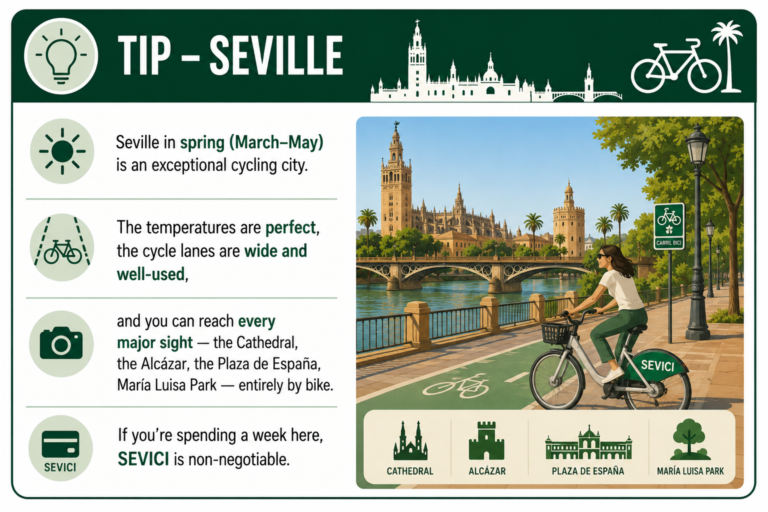
- Edinburgh, Porto, Seville — old towns where the walk is the sightseeing.
In these cities I budget zero transport money for the centre and only pay for airport transfers and day trips. That’s often £20–£40 saved over a long weekend, doing something I’d have wanted to do anyway.
The cities that punish walkers
Be honest about where walking doesn’t work, or you’ll waste half a day learning it the hard way:
- Los Angeles — distances are enormous and the pavements disappear. Transit or nothing.
- Bangkok — heat, broken pavements, and long distances between clusters of sights. BTS and river boats.
- Moscow and Beijing — the scale on the map is deceptive. What looks like three blocks is 2km. The metro systems are also genuinely worth seeing in their own right.
- Cairo — crossing the road is a skill you don’t have yet. Uber is cheap; use it.
How to Get Around Any City for Almost Nothing
Do the day-cap maths before you commit
Here’s where most people get the cost comparison wrong: they compare walking against single fares, when many cities have daily caps or passes that change the equation completely.
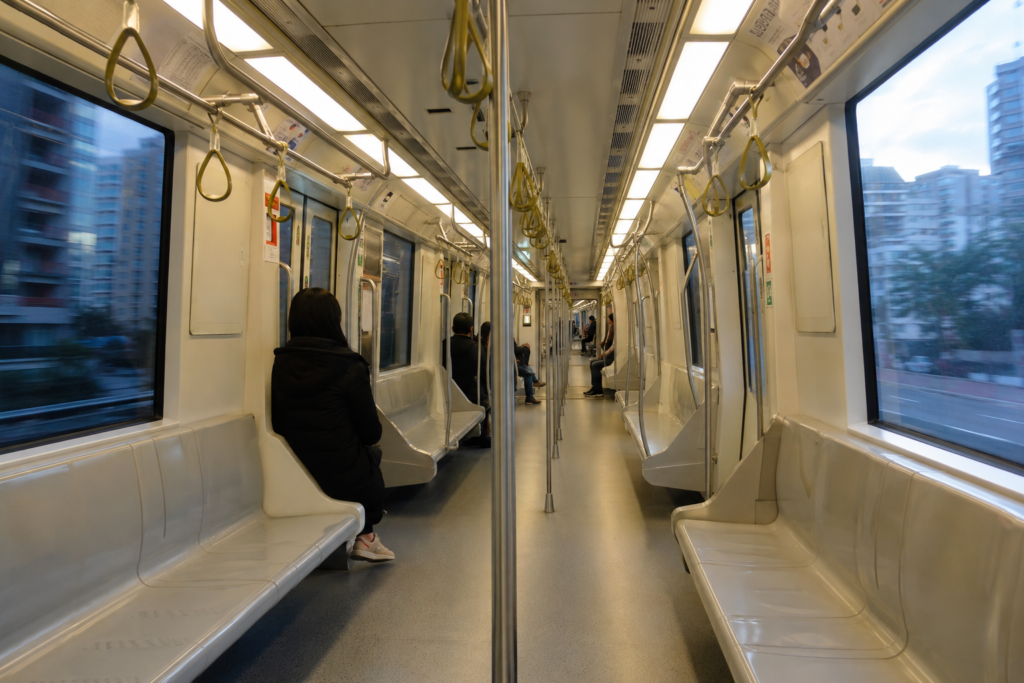
London caps contactless at around £8.50 a day for Zones 1–2. Once you’ve made three Tube journeys, every additional ride is free — so the “walk to save money” logic dies after your third trip. Same idea with New York’s OMNY weekly cap ($34, then free rides) and Berlin’s day ticket (about €9.90).
So my actual method is this: estimate your journeys for the day before you leave the hostel. One or two trips? Pay singles and walk the rest. Four or more? You’re hitting the cap anyway, so ride freely and walk only when the walk itself is worth it.
The third option nobody prices in
Between walking and public transport sits the bike share dock, and in a lot of cities it beats both. A 3km journey is a slog on foot and often a fiddly two-line metro trip — but it’s a 12-minute cycle. In Paris, Vélib’ costs about €3 for a day pass with unlimited 30-minute rides. In London, Santander Cycles is £3.50 a day. That’s less than two Tube fares for unlimited short hops.
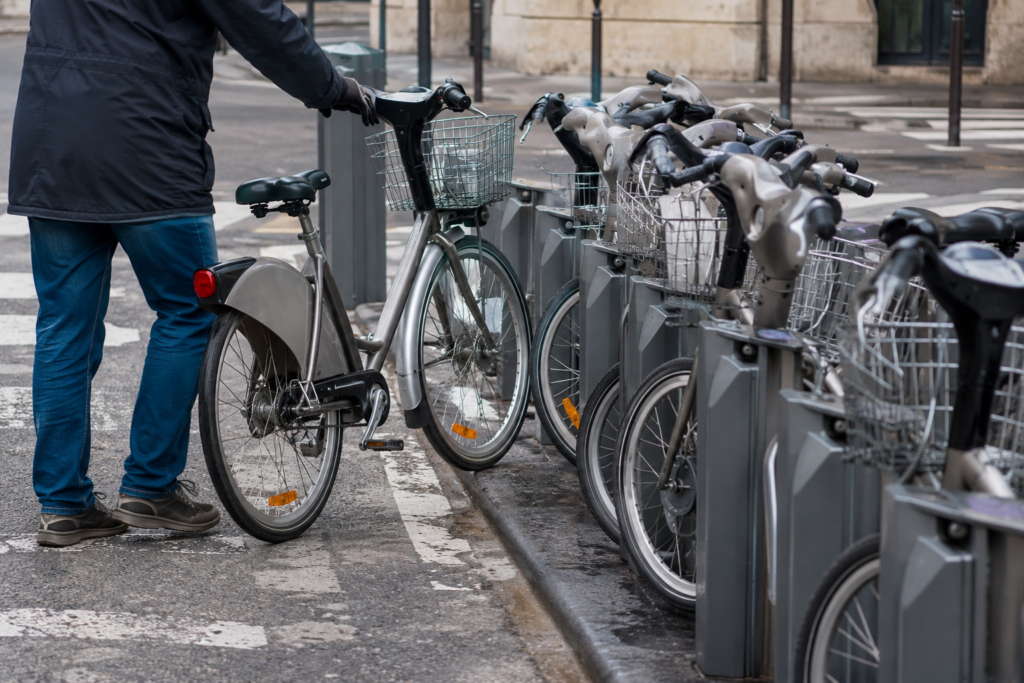
I’ve written a full guide to how these schemes work city by city — see [City Bike Share Programs Worldwide]. If your journeys keep landing in that awkward 2–4km zone, the bike is usually your answer.
City Bike Share Programs Worldwide: Every Major City’s Scheme Explained
My decision framework, in 30 seconds
Before any journey, I ask four questions in order:
- Is it under 2km with no hills, heat, or safety concerns? Walk.
- Have I already hit (or will I hit) today’s fare cap? Ride freely — it’s costing nothing extra.
- Is it 2–4km in a city with bike share? Cycle.
- Everything else? Take the transport and don’t feel bad about it.
That’s it. No app needed, no agonising. The money you save by walking the short stuff funds the rides that actually matter — and you see the city properly, which is the reason you came.